Does Lion's Mane Help With Memory?
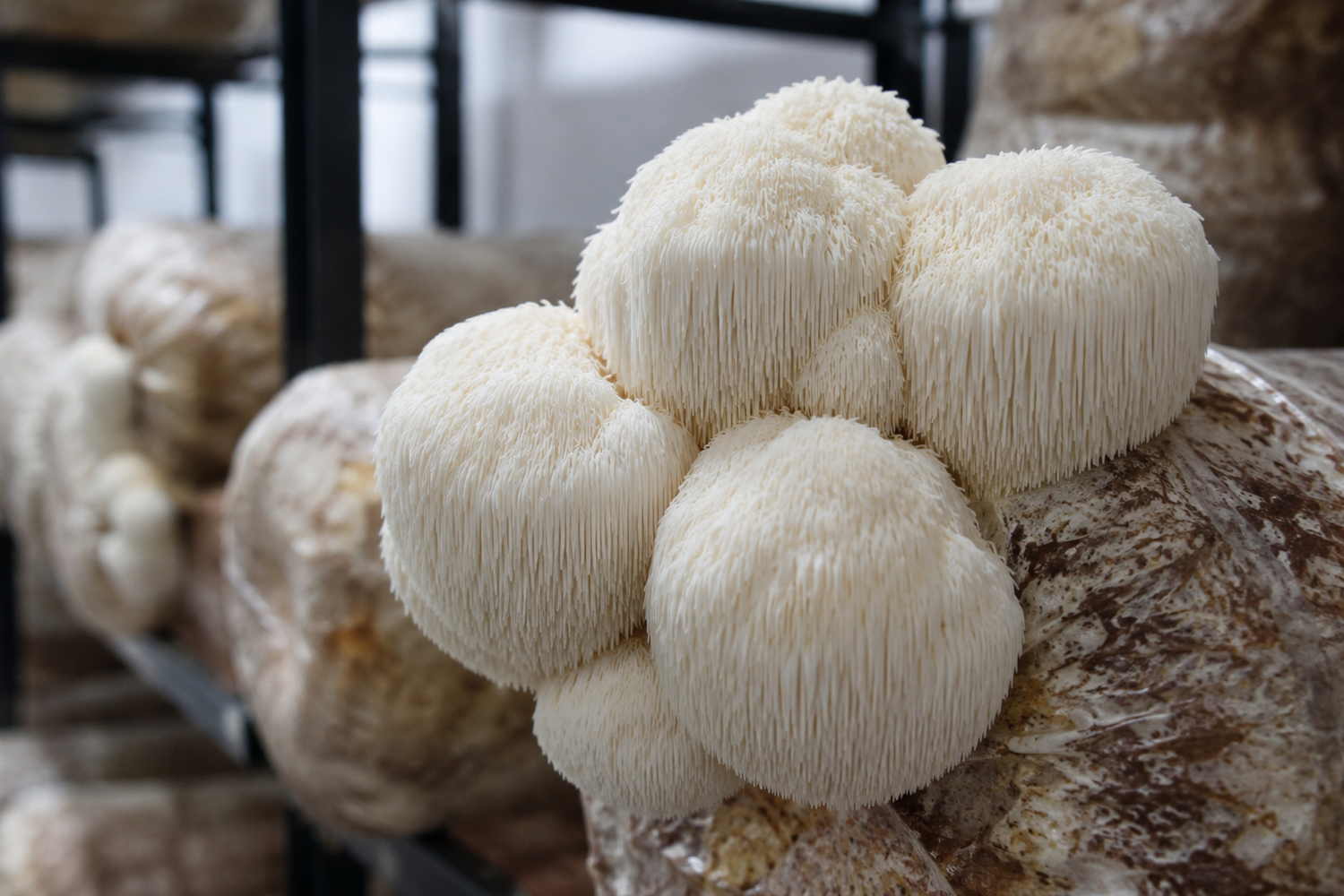
Lion’s Mane has become one of the most talked-about mushrooms for memory, focus, and brain health. It has a beautiful, shaggy white fruiting body, a long history of use as both food and medicine, and a growing body of research looking at how it may support the nervous system. For people caring for a loved one with memory loss, or for anyone beginning to notice changes in their own focus and recall, Lion’s Mane can feel especially compelling.
The honest answer is that the science is promising, but still early. Lion’s Mane has not been proven to prevent, treat, or cure Alzheimer’s disease or dementia. The human studies are still small, and the results are mixed. At the same time, there are real reasons to be interested. Animal studies have looked at pathways connected to Alzheimer’s disease, including inflammation, amyloid plaques, oxidative stress, and nerve cell protection. A few small human trials have also shown improvements in cognition, especially in people with mild cognitive impairment. Larger studies are still needed.
Why Lion’s Mane Is Connected to Memory
The main reason Lion’s Mane gets so much attention for memory is that it contains compounds being studied for their effects on nerve health. Two groups of compounds come up most often: hericenones (hair-ih-SEN-owns) and erinacines (air-IN-uh-seens). Fruiting bodies are often discussed for their hericenones, while mycelium is often discussed for erinacines. These compounds have been studied for their relationship to nerve growth factor, often shortened to NGF, which helps support the growth, repair, and communication of nerve cells.
That matters because memory depends on many parts of the body working together. Brain cells need to communicate well. The brain needs healthy circulation, protection from stress and inflammation, and the ability to maintain itself over time. Lion’s Mane appears to touch several of these areas in early research. That does not make it a proven Alzheimer’s treatment, but it does make it a mushroom worth studying carefully.

What Human Studies Have Found
The most frequently cited human study looked at 30 older adults with mild cognitive impairment. Participants took lion’s mane for 16 weeks, and the lion’s mane group showed improvement on a cognitive test compared with placebo. The effect appeared to fade after people stopped taking it, which suggests that any benefit may depend on consistent use.
Another small randomized trial in healthy adults over 50 found improvement in one of three cognitive tests after 12 weeks. That is encouraging, but also limited. When only one measure improves, researchers have to ask whether the mushroom had a specific effect, whether the study was too small to detect broader changes, or whether the result may not repeat in a larger group.
In younger healthy adults, results have been less convincing. Some trials found no clear improvement in cognitive function. A 2025 double-blind randomized placebo-controlled study of 18 healthy adults found no significant overall improvement in cognition or mood after a single dose of lion’s mane fruiting body extract, although one individual task did improve. The researchers concluded that any benefit may be specific to certain cognitive domains, and that longer-term studies are needed.
For Alzheimer’s disease specifically, the human evidence remains very limited. One small clinical trial in people with early Alzheimer’s disease reported improvement in activities of daily living after 49 weeks, such as preparing meals or shopping, but did not find significant improvement in cognitive function compared with placebo. That distinction is important. Daily function matters greatly to patients and families, but it is not the same as proving that lion’s mane reverses memory loss.
What Animal Studies Suggest
The animal research is where lion’s mane becomes especially interesting. A 2024 systematic review looking at lion’s mane and Alzheimer’s disease included 16 studies, with 3 human clinical trials and 13 animal model studies. The review found positive results in animal studies related to behavior, biochemical markers, amyloid plaque accumulation, cholinergic activity, nerve growth factor concentrations, and activation of brain immune cells called microglia and astrocytes.
One frequently referenced mouse study used an erinacine A-enriched lion’s mane mycelium preparation in a transgenic Alzheimer’s model and reported improvements in Alzheimer’s-related pathology. Other animal studies have looked at amyloid beta, learning and memory deficits, inflammation, antioxidant pathways, and neurotrophic signaling. These are not minor findings. They suggest that lion’s mane may influence several of the biological pathways that researchers care about in Alzheimer’s disease.
Animal studies can guide us, but they cannot settle the question for people. Mice are not humans. Alzheimer’s disease in a mouse model does not fully match dementia in a human being living with age, genetics, medications, diet, sleep issues, cardiovascular health, and years of disease progression. Still, animal research is often how promising therapies begin. The findings are strong enough to justify more serious human trials.
Where the Evidence Is Still Inconclusive
There are a few major limits in the research so far.
The human studies are small, often including only a few dozen people. That makes it hard to know how reliable the results are.
The studies also use different preparations. Some use fruiting body powder. Some use extracts. Some use mycelium. Some use isolated or enriched compounds. A Lion’s Mane tincture, capsule, powder, tea, and mycelial extract are not automatically the same thing.
The research also does not yet tell us the ideal dose, timing, or duration. Some studies suggest that longer use may matter more than a single dose. That fits the way many people think about medicinal mushrooms, as something taken consistently over time.
Finally, dementia is complex. Alzheimer’s disease involves many overlapping changes in the brain and body. No responsible mushroom grower, herbalist, or health practitioner should present Lion’s Mane as a stand-alone answer to dementia.
Why There Is Still Reason to Be Hopeful
The hope around Lion’s Mane is not based on fantasy. It comes from a pattern in the early research. Lion’s Mane may support nerve health, influence inflammation, support antioxidant defenses, and help with certain aspects of cognition. Small human studies suggest possible benefit in mild cognitive impairment, and animal studies show activity in areas that matter to Alzheimer’s research.
For a person already dealing with dementia, this does not mean Lion’s Mane should replace medical care. It does mean that many people may reasonably consider it as part of a broader support plan, especially with guidance from a healthcare provider. That plan may also include nutrition, movement, sleep, social connection, cognitive engagement, cardiovascular care, and appropriate medical treatment.
There is also a practical reason Lion’s Mane remains appealing. It is an edible mushroom. It can be cooked and eaten as food, and it can also be taken as a tincture or supplement. It lives in the space between food and medicine, where daily consistency matters and where the goal is often to support the body’s resilience.
How We Think About Lion’s Mane at Sugarshack
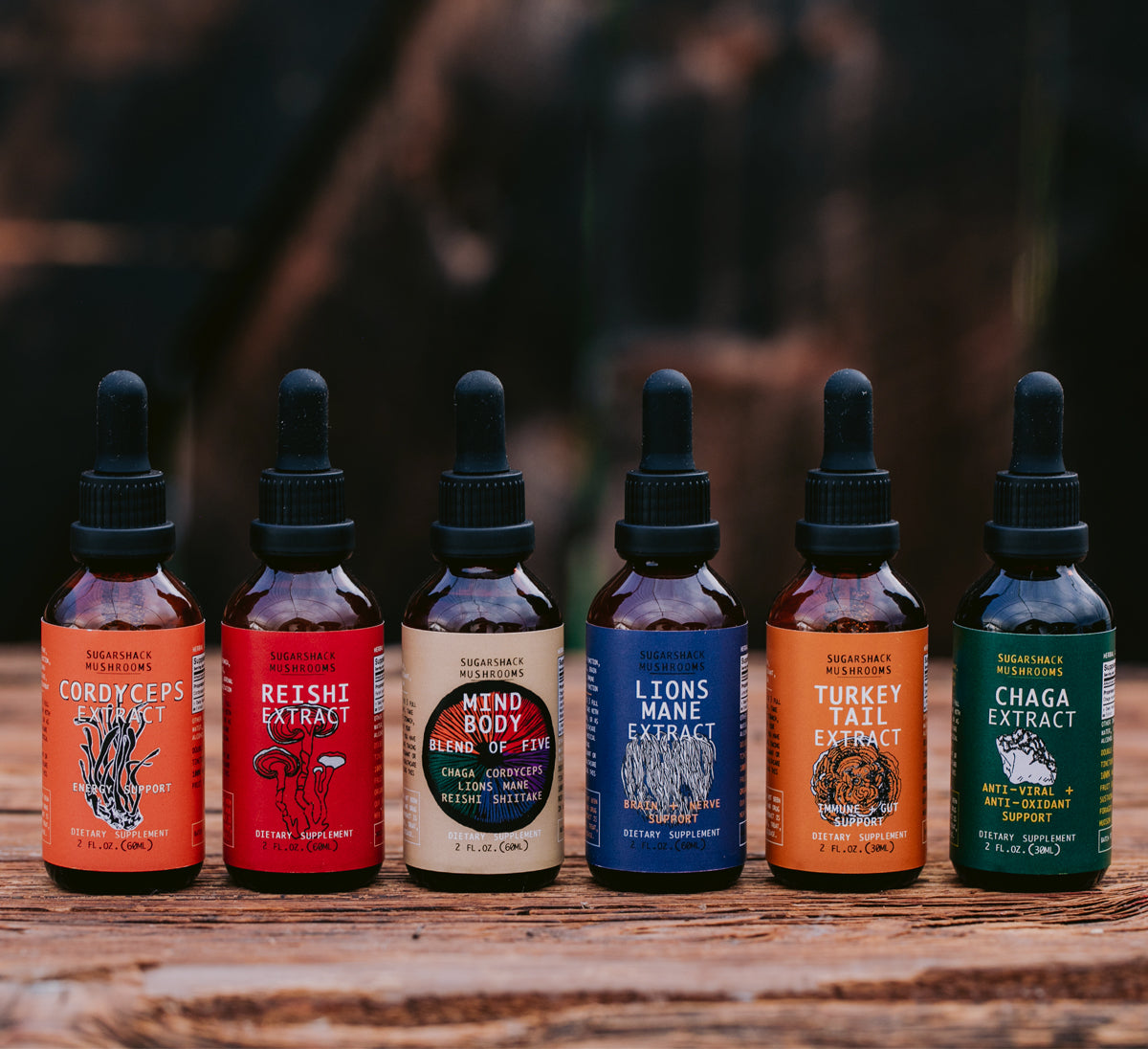
At Sugarshack, we see Lion’s Mane as one of the most compelling functional mushrooms for people interested in memory, focus, and long-term brain health. We also believe it should be talked about honestly. The research is not definitive. The claims should stay grounded. The quality of the mushroom and the extraction method matter.
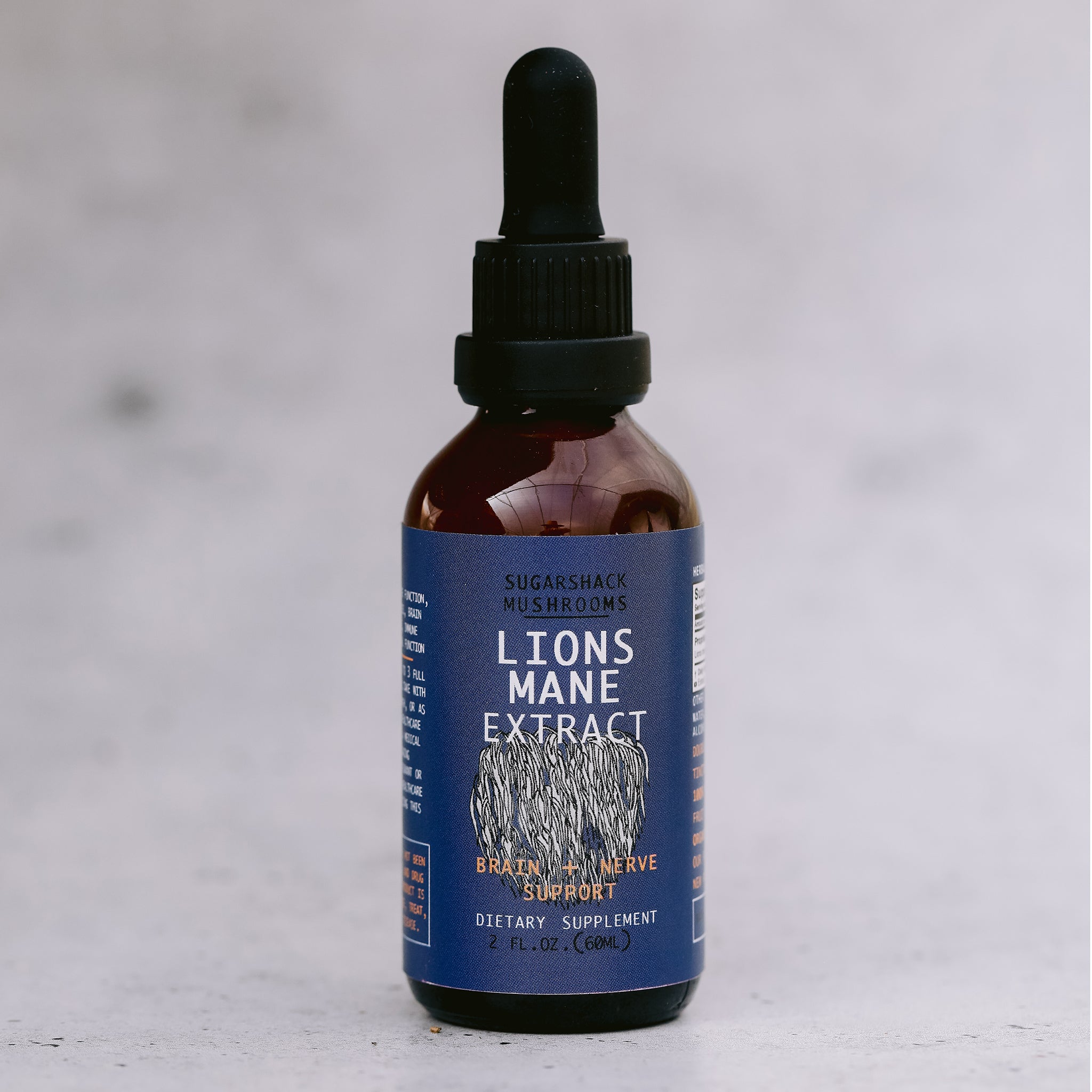
Our approach is rooted in the whole mushroom and in careful preparation. A good tincture is meant to make Lion’s Mane easier to use consistently, which is important because most of the encouraging human research involved repeated use over weeks or months.
For someone curious about Lion’s Mane for memory, the most reasonable way to think about it is this: Lion’s Mane may be a supportive daily mushroom for cognitive health. It may be especially interesting for people concerned about mild cognitive changes or long-term nervous system support. It should not be treated as a cure for Alzheimer’s disease or dementia. Anyone with a diagnosis, serious symptoms, or medications should talk with a qualified healthcare provider before adding it.

A Grounded Kind of Hope
Memory loss is frightening because it touches the deepest parts of a person’s life: names, stories, meals, routines, places, relationships. It makes sense that people look for anything that might help. Lion’s Mane deserves attention because the early research points in meaningful directions. It also deserves consideration because the hard evidence has not caught up to the hope.
A medicine can be promising before it is proven. It can be worth using carefully before every question is answered. Lion’s Mane sits in that place right now. For many people, it may be a thoughtful addition to a daily routine, especially when chosen from a source that cares about quality, extraction, and the living process behind the mushroom itself.
Lion’s Mane is about supporting the body with consistency, respect, and good medicine from the fungal world. It is through this kind of daily care that mushrooms remind us how healing often begins: slowly, naturally, and with attention to the whole living system.