Filters
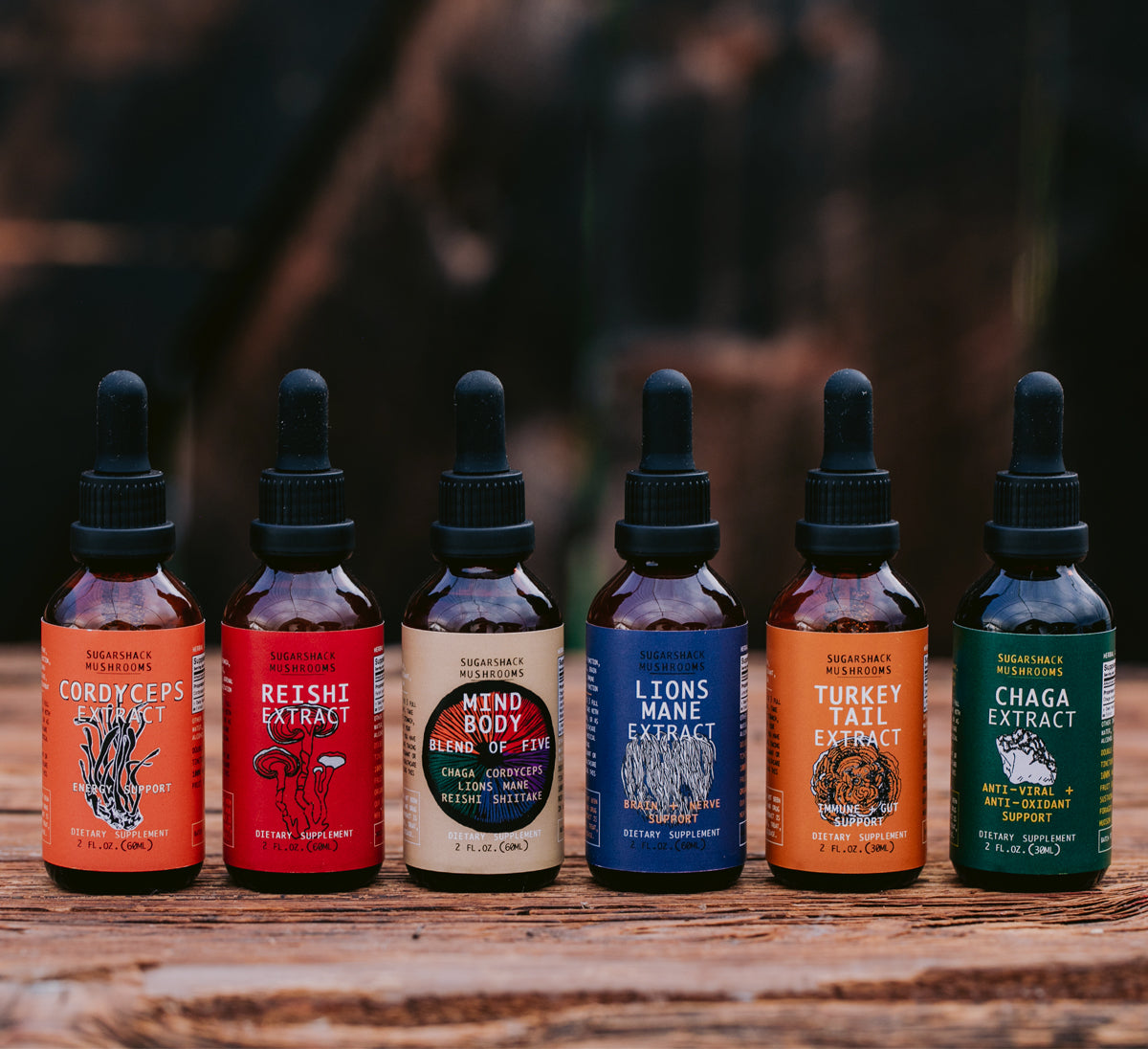
8 products
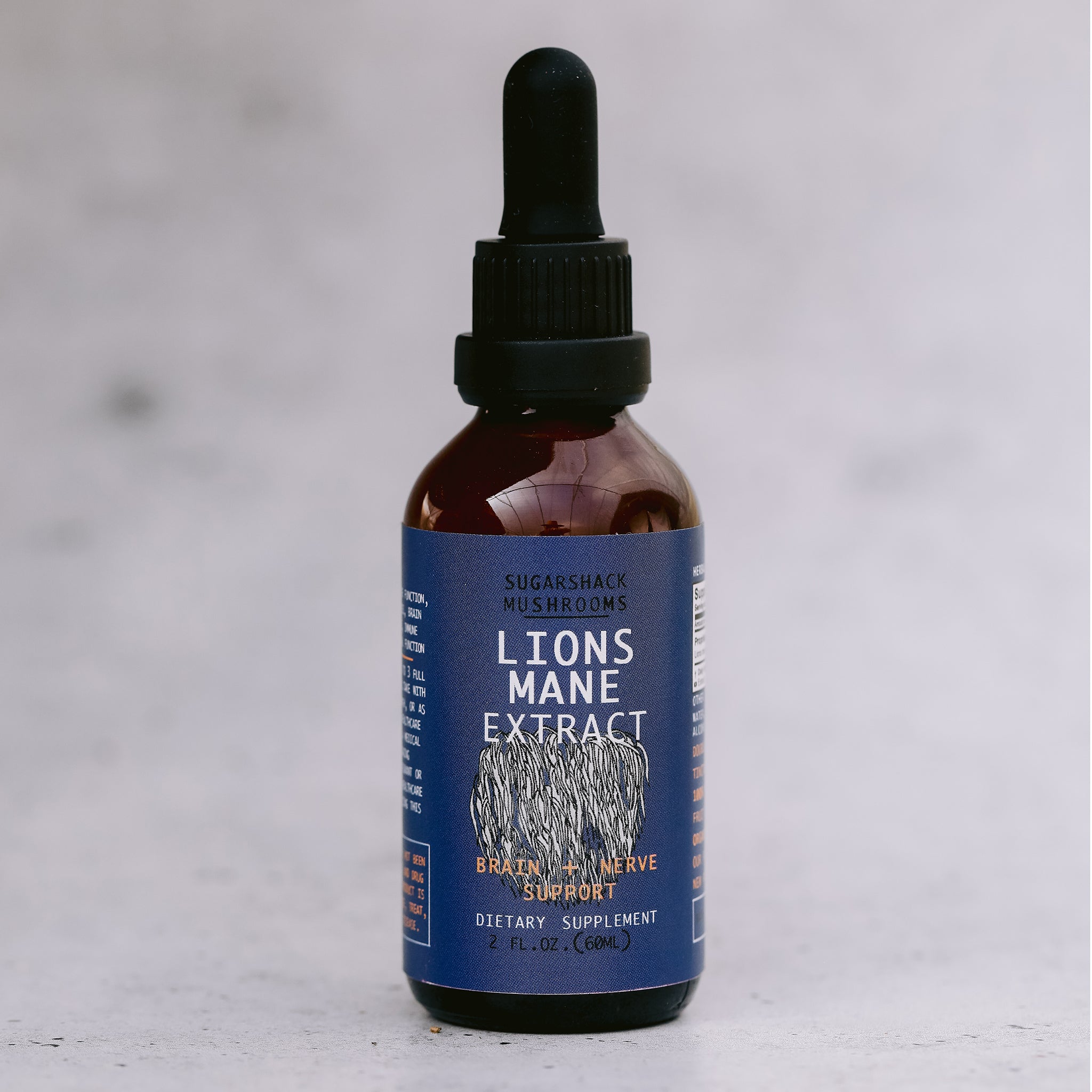
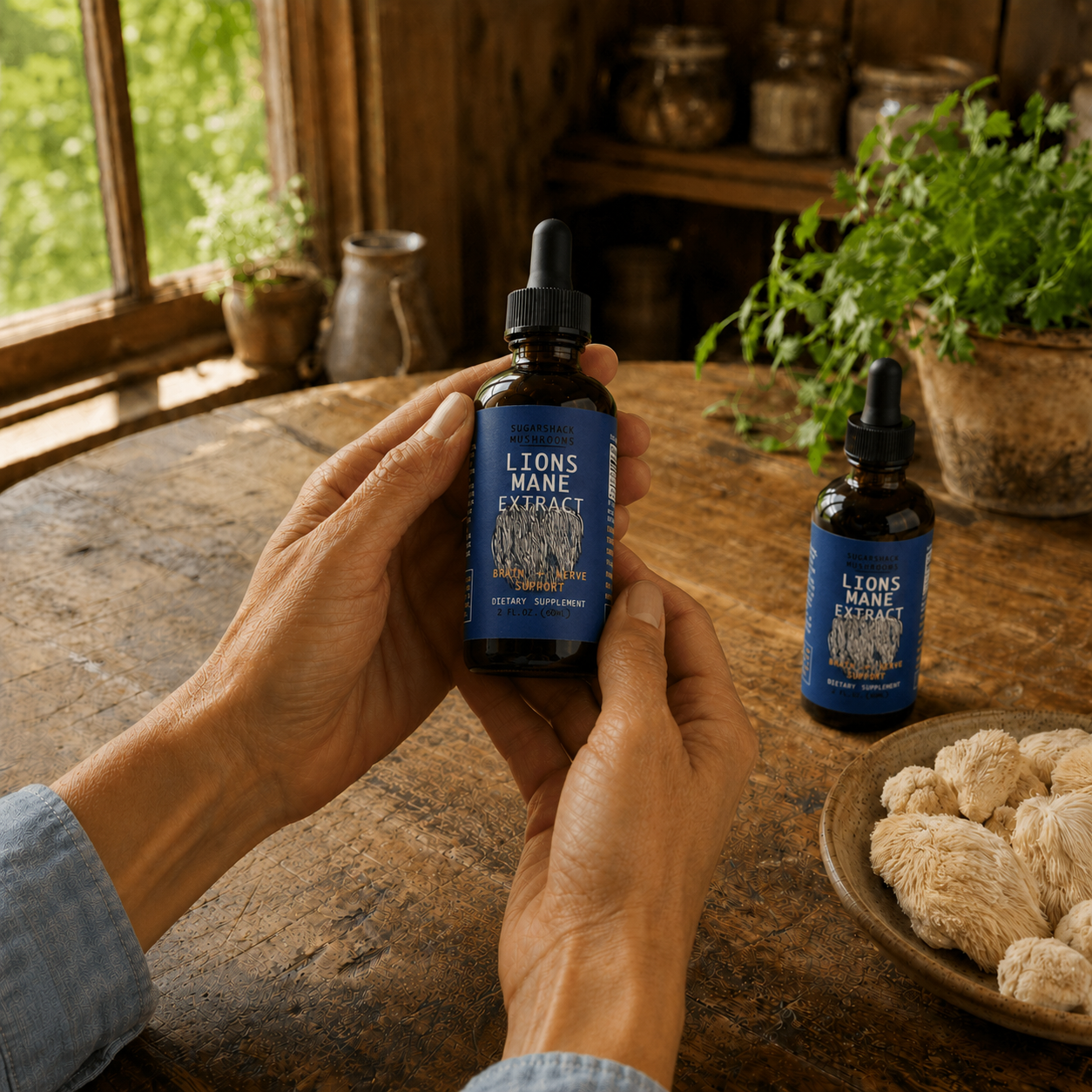
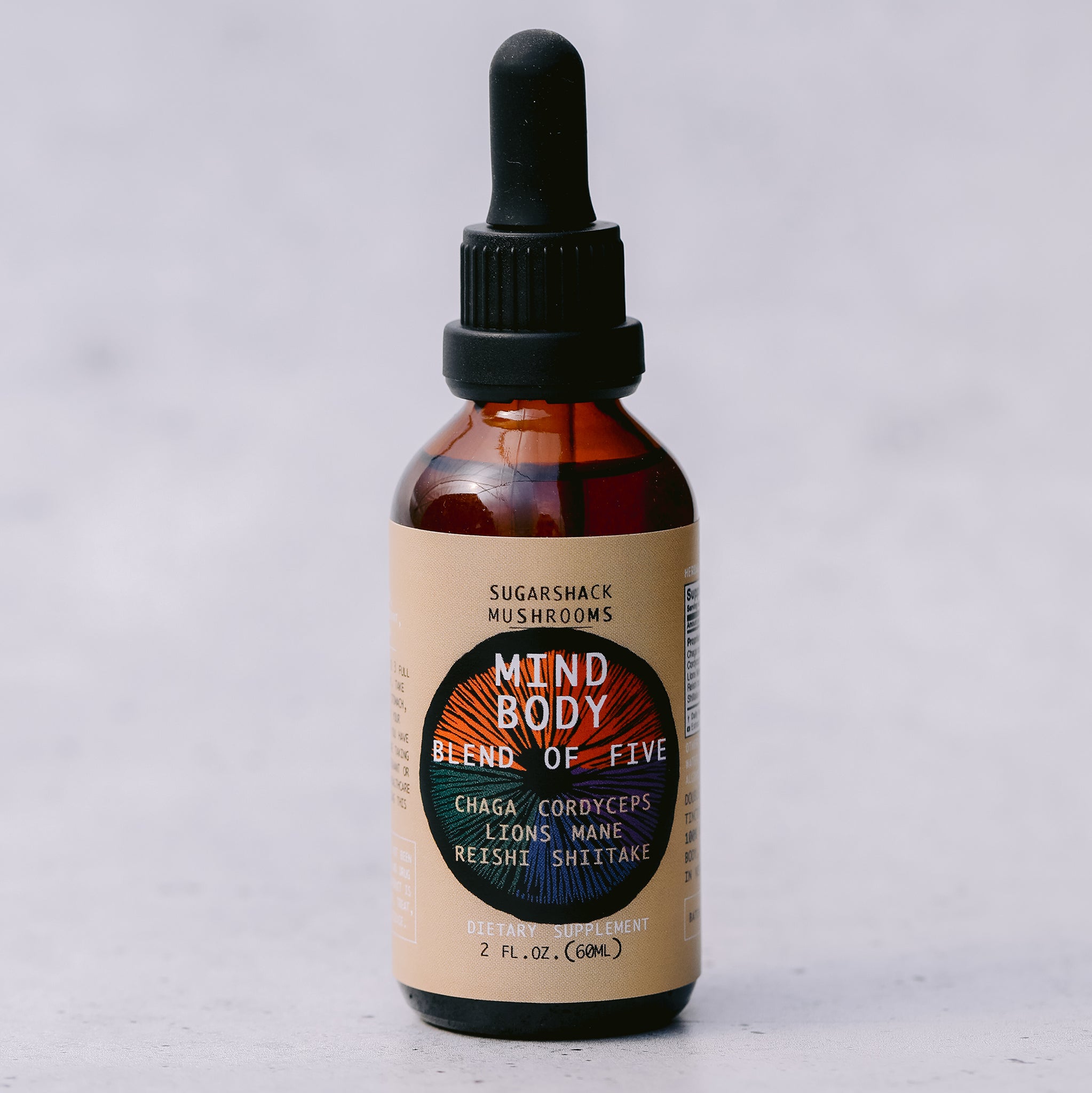
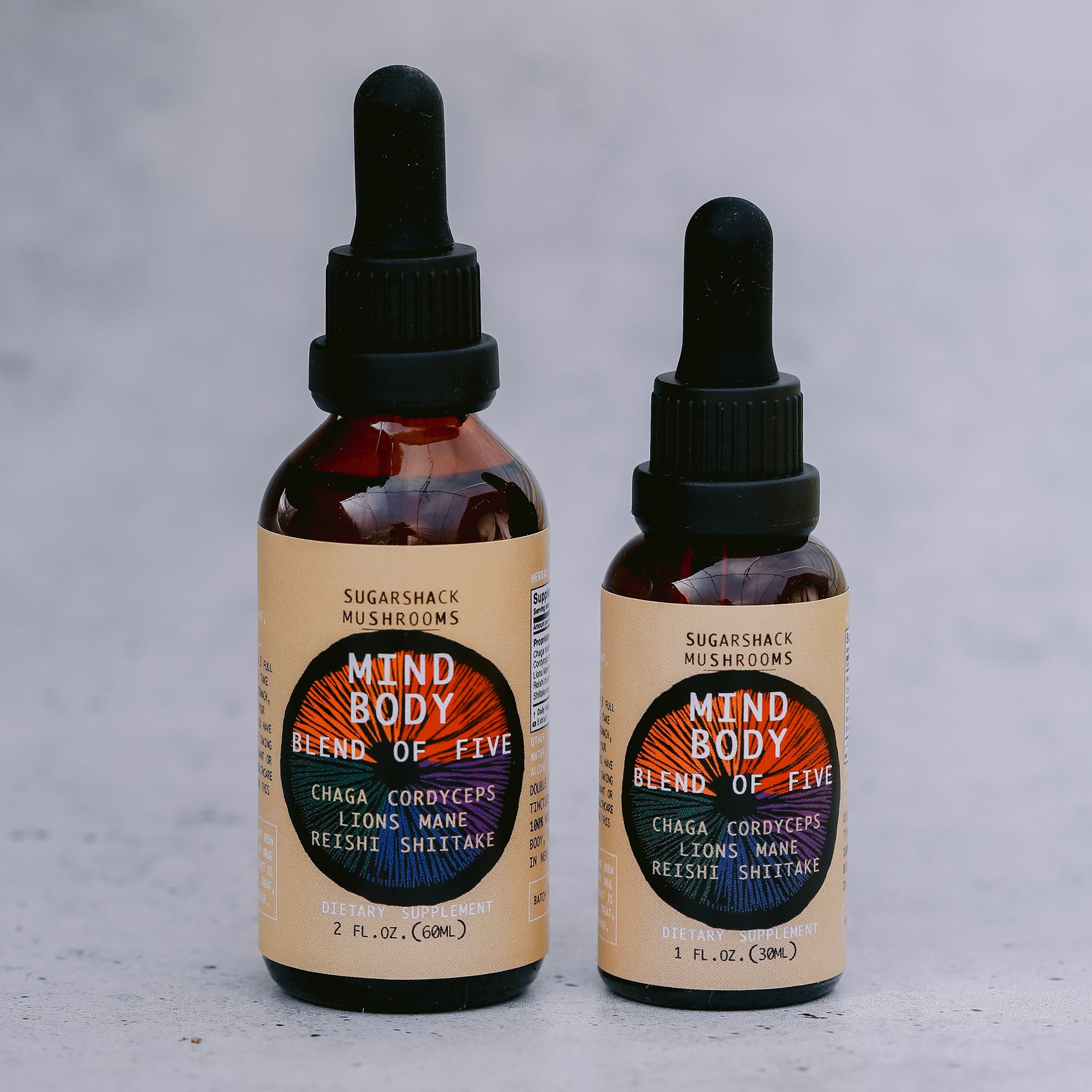
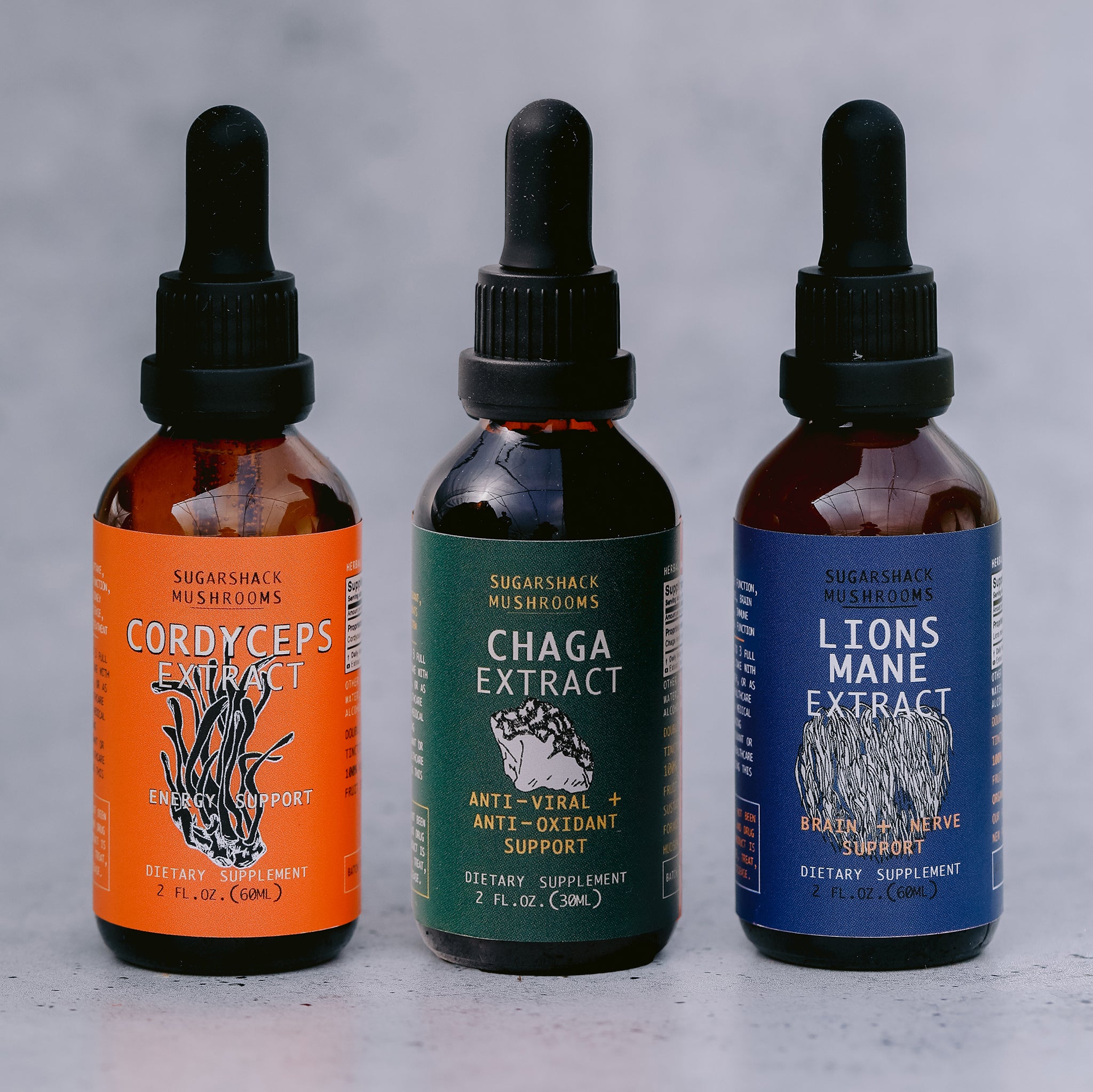
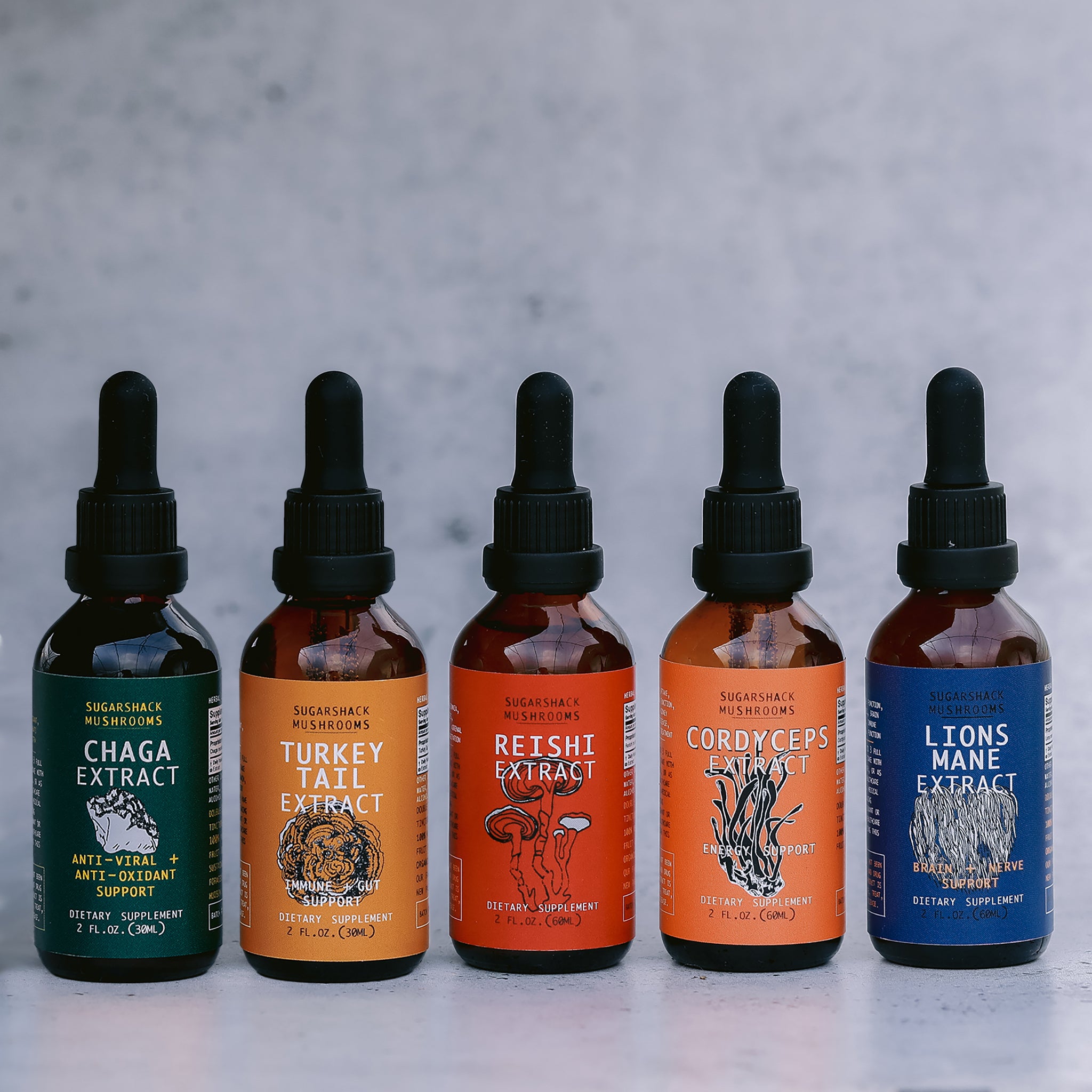


Mushroom Tincture Questions
Where are your mushrooms from?
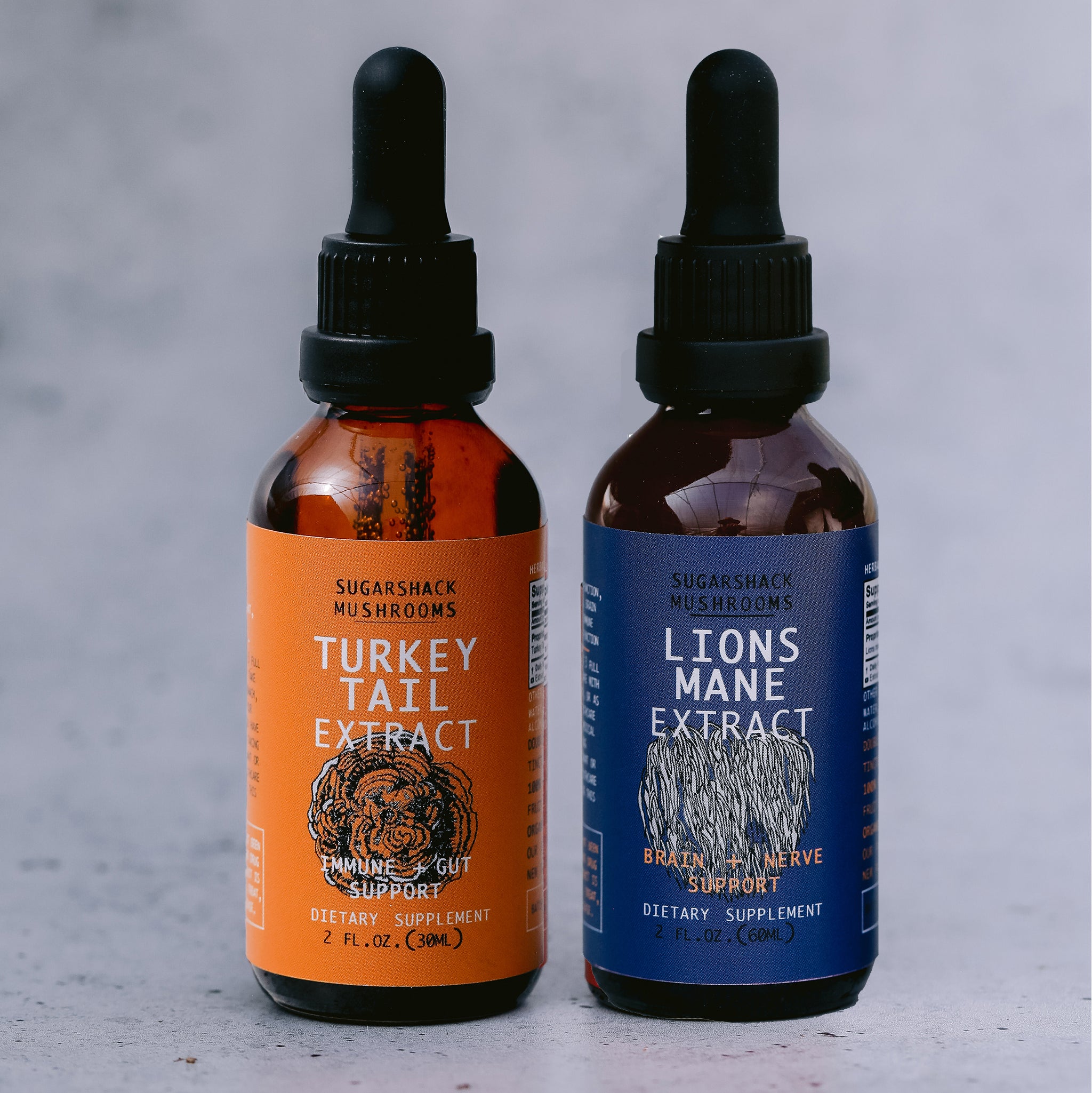
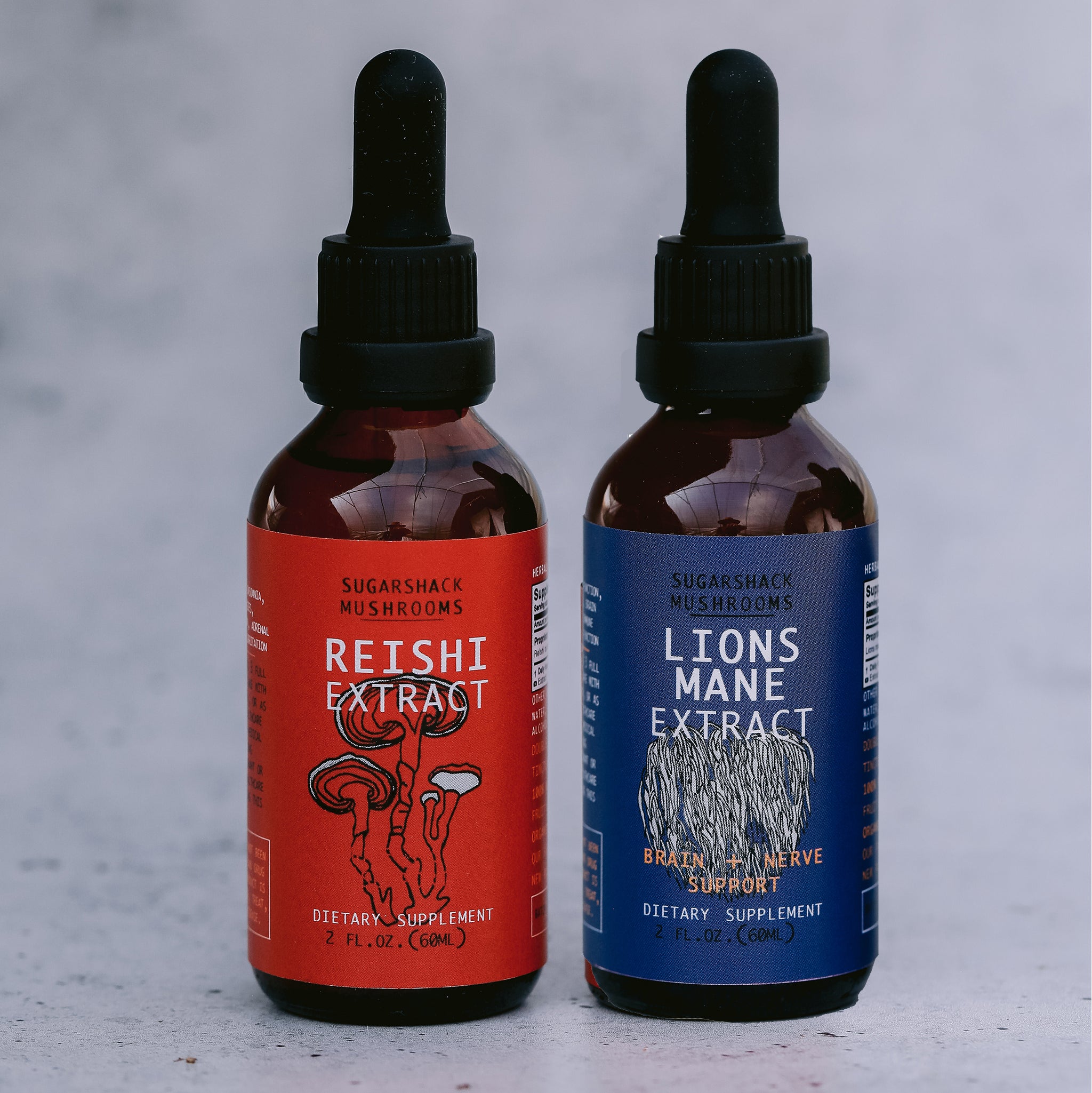
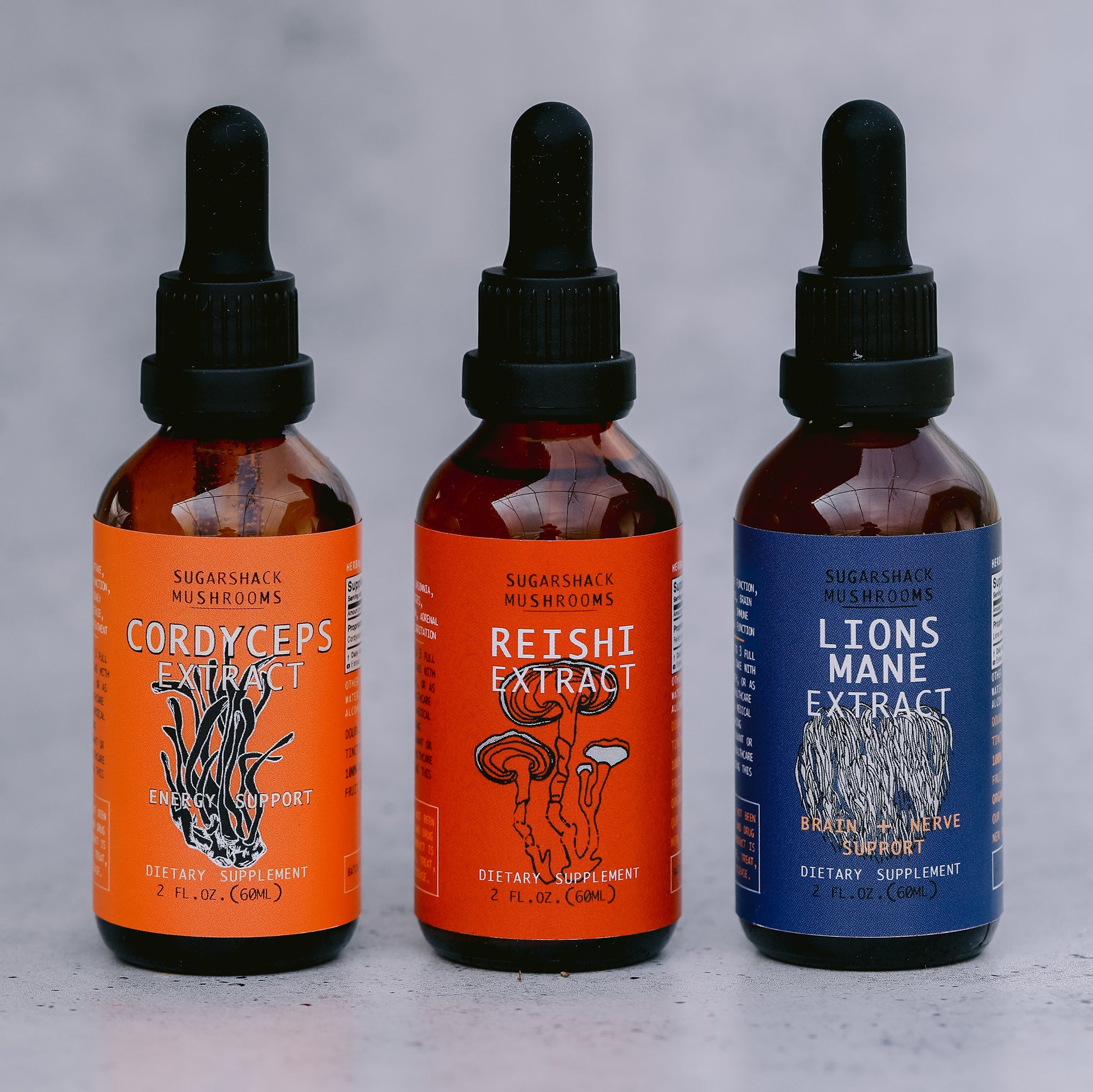
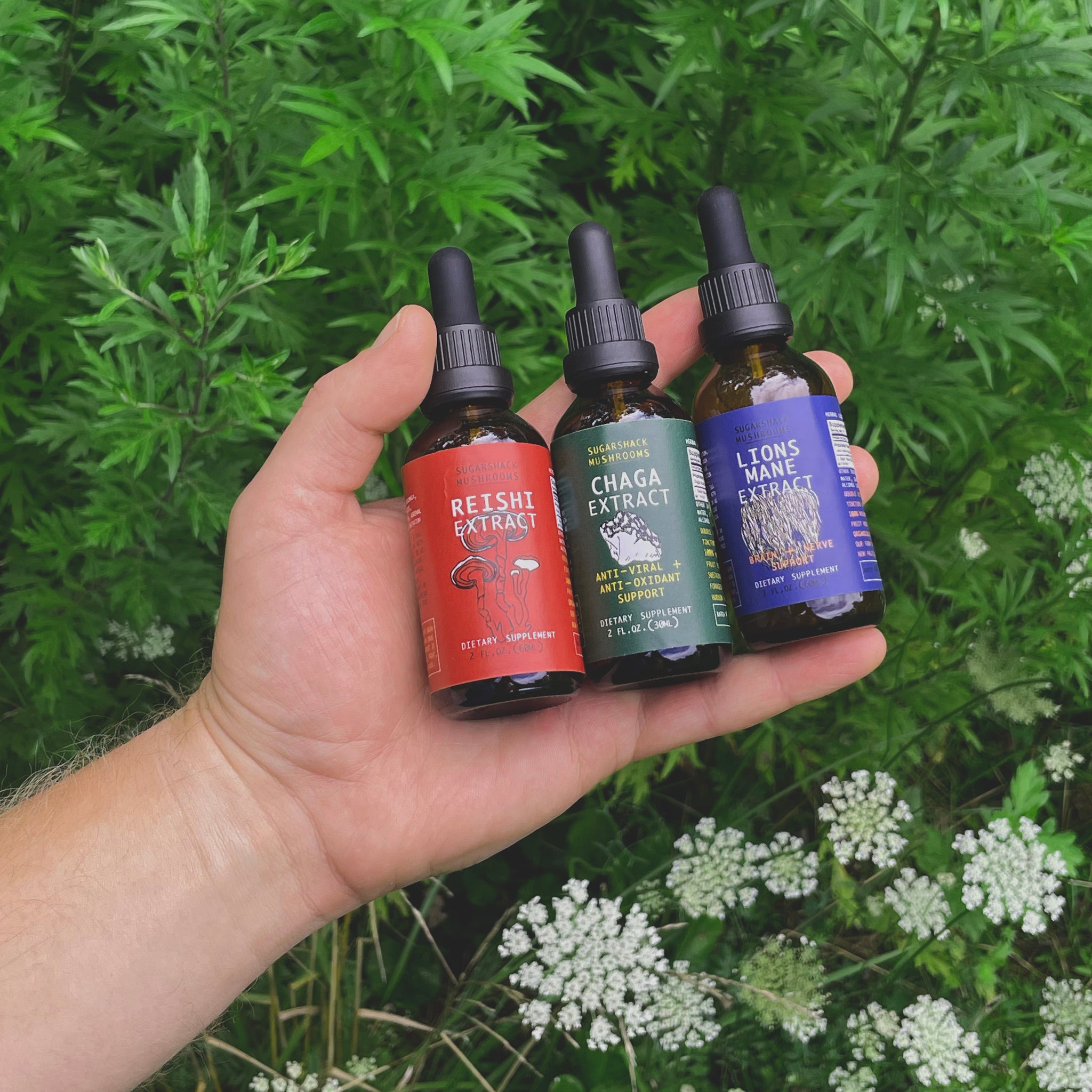
Our lion's mane, shiitake and reishi are grown organically on our farm. The turkey tail and chaga are sustainably are sustainably foraged in New York State. The cordyceps we use are sourced from a neighboring specialty grower in New York State.
What is tincture?
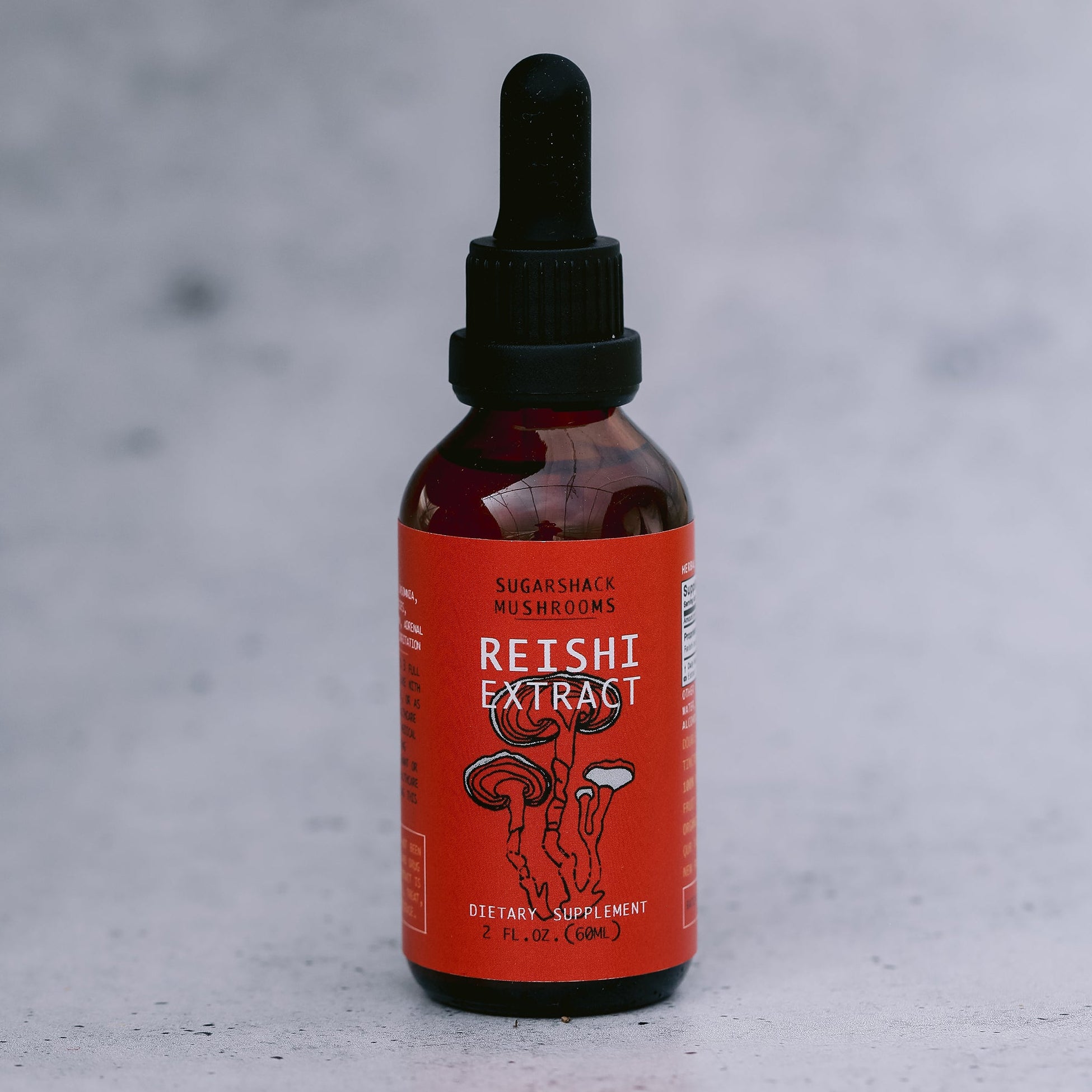
Mushroom tincture is a liquid extract made from functional mushrooms. Instead of eating the mushroom whole it is extracted into liquid so its compounds can be taken in a concentrated and convenient form.
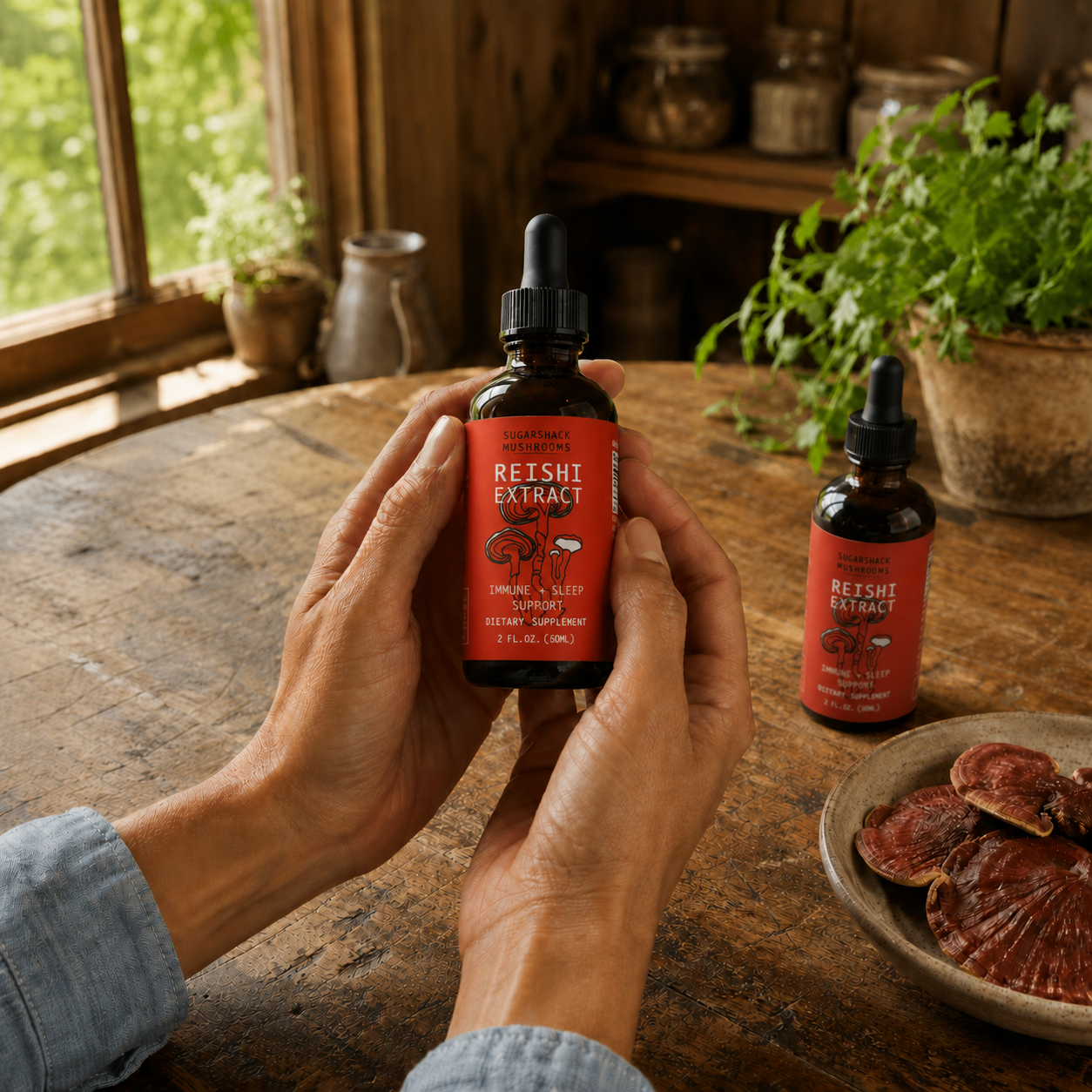
A high-quality tincture is usually made through extraction, not simple soaking. This matters because mushrooms contain compounds that need heat, water, alcohol, or time to be pulled from the mushroom’s tough structure. A tincture makes functional mushrooms easier to use as part of a daily routine. It can be taken directly, added to tea, or mixed into warm water.
For many people, tincture is the easiest way to use functional mushrooms consistently. It fits into a small daily habit, which is how these mushrooms have traditionally been used. It is less about a one-time effect and more about long-term support.
Why do you use mushrooms and not mycelium?
One of the biggest conversations in the functional mushroom industry right now centers around what part of the organism is actually being used.
The fruiting body is the mushroom itself. Mycelium is the root-like fungal network that lives beneath the surface. Both are part of the same organism, but they are not identical materials.
Many large-scale supplement products are made using mycelium grown on grain. This approach is scalable, and often results in the supplements containing a substantial amount of the grain substrate alongside the fungal tissue itself.
Fruiting body extracts, on the other hand, are made from the mature mushroom.
Independent testing across the industry has shown notable differences between the two. Fruiting body extracts often contain significantly higher beta-glucan levels, while mycelium-on-grain products can contain elevated starch content from the growing substrate.
This does not mean mycelium has no value. Certain compounds associated with lion’s mane mycelium, for example, continue to be actively researched. But much of the traditional use of medicinal mushrooms, along with a large portion of modern mushroom extract research, has focused on the fruiting body itself.
Because labeling standards are still inconsistent across the industry, many consumers do not realize there is a distinction at all.
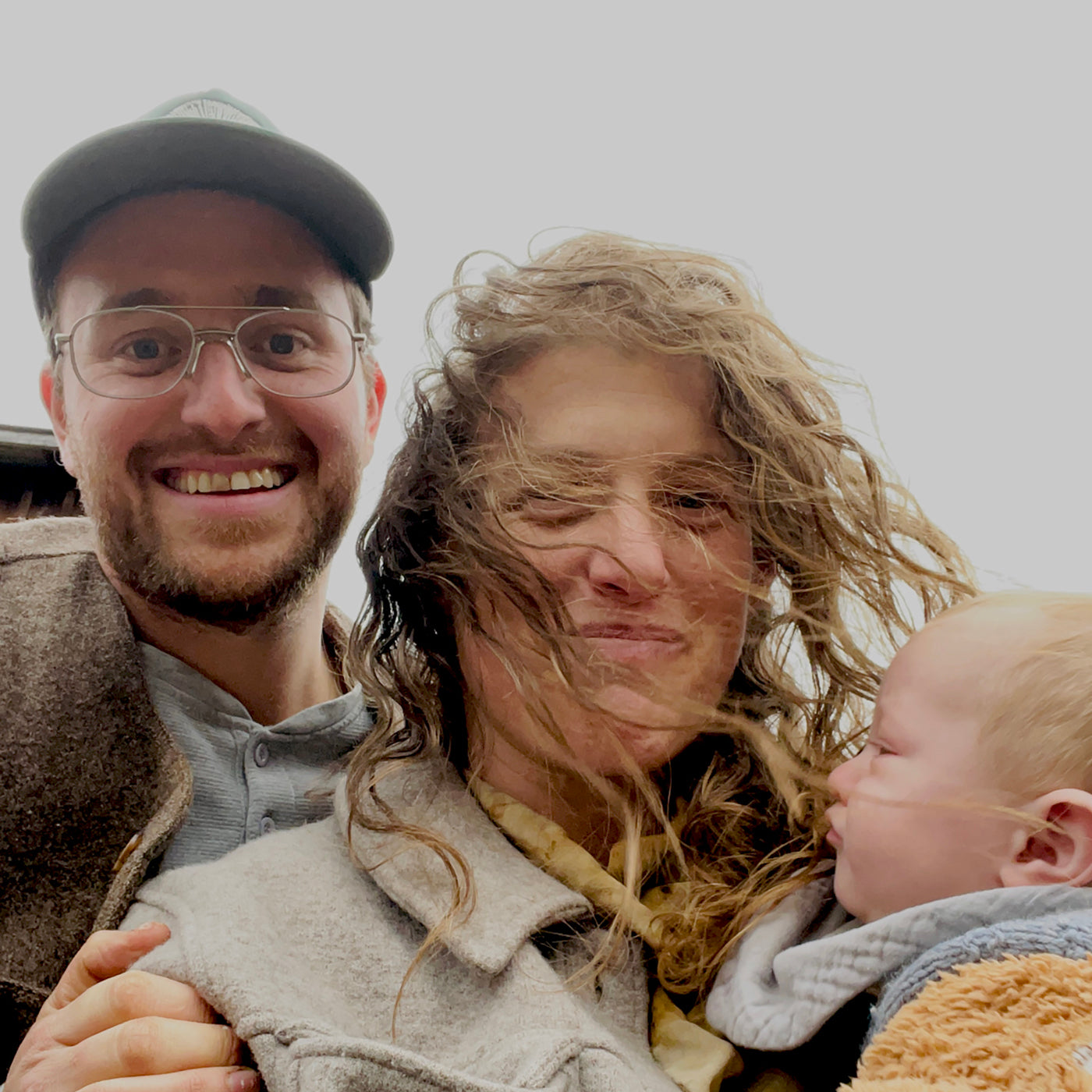
Family Run
Sugarshack Mushrooms is a family-run organic mushroom farm in New Paltz, New York, in the Hudson Valley. Since 2018, we’ve been growing a wide variety of nutrient-dense gourmet mushrooms, selected for both their culinary qualities and their health benefits.
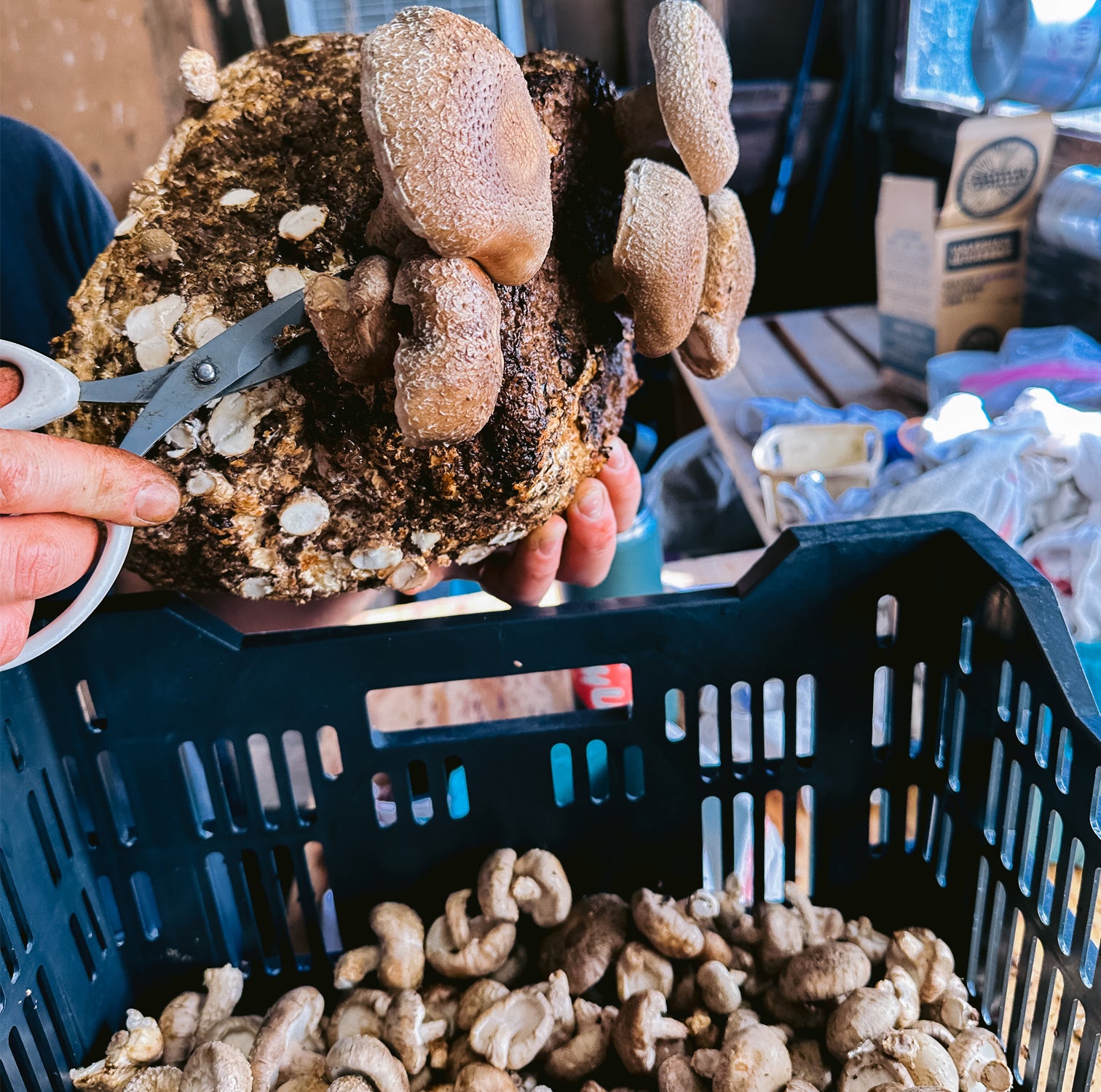
Responsible farming
Every part of our process is done by hand, from harvest to bottling. We are committed to farming with a low impact on the land, producing potent and nutrient-dense products, and helping to expand awareness of the enjoyment and benefits that mushrooms offer.
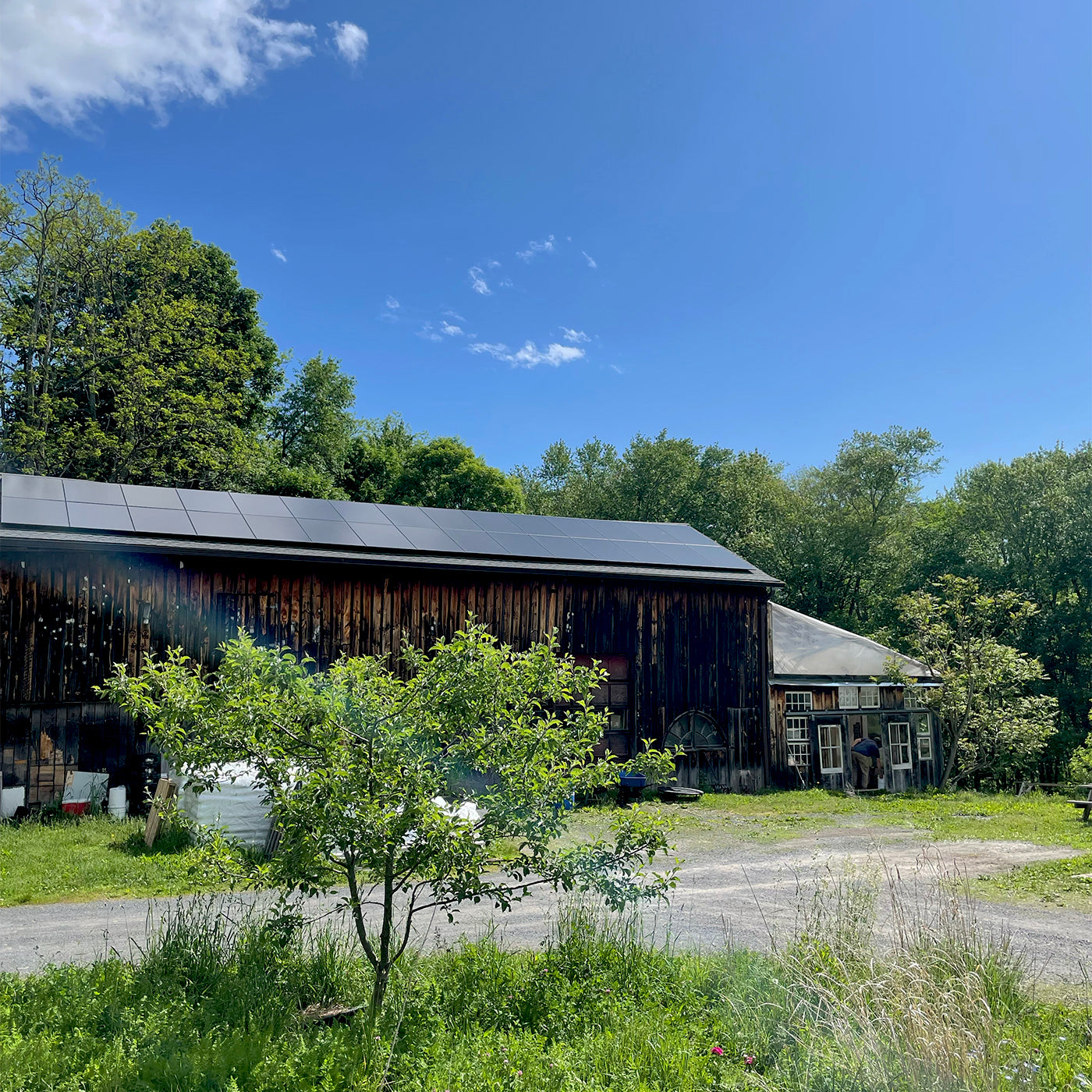
Powered by the sun
Powered by the solar panels covering the barn and farmhouse, the same sun that drives the forest ecosystems is now what powers our grow rooms, processing, and production. Thanks to a farm sustainability grant from our county (Ulster County Agricultural Farm Grants Program), our farm now operates entirely on solar power.