The Functional Mushroom Market, and Why the Details Matter
Functional mushrooms have moved from the edges of herbalism into the center of the wellness world. What was once a niche category is now everywhere: coffee blends, capsules, powders, gummies, tinctures, canned drinks. Interest in mushrooms for immune support, focus, energy, and general wellness has grown rapidly over the last decade, and the market has followed.
Globally, the functional mushroom industry is projected to continue growing at a strong pace over the coming years, driven by increasing consumer interest in preventative health, traditional herbal systems, and naturally derived products. In the United States especially, mushrooms have become part of a broader movement toward food and medicine that feels more grounded, more traceable, and more connected to everyday life.
But as the category grows, another thing is happening beneath the surface: people are starting to ask better questions.
Where were the mushrooms grown?
What part of the mushroom is actually being used?
How are the beneficial compounds extracted?
Who is actually making these products?
Those questions reveal a market that is far more varied than it first appears.
A Market Built on Many Different Approaches
Some of the largest companies in the functional mushroom space helped introduce mushrooms to a broader audience through convenience products and lifestyle branding. Others focused more heavily on supplements and standardized extracts. Together, these companies helped make medicinal mushrooms more visible and accessible than ever before.
At the same time, production scaled rapidly. Today, a large percentage of functional mushroom products sold in the United States are made using imported mushrooms or extracts, primarily sourced from China, where mushroom cultivation has existed at industrial scale for decades.
Reasonable estimates suggest:
- Around 60–70% of functional mushroom products rely on imported raw material
- Around 20–30% use mushrooms grown within the United States
- Less than 10% are fully vertically integrated, meaning the same company grows, extracts, and bottles the mushrooms themselves
That final category remains relatively small.
Growing mushrooms at a meaningful scale is labor intensive. Producing tinctures adds another layer entirely. Doing both under the same roof requires time, infrastructure, and patience. It also creates a much closer relationship between the cultivation process and the finished extract.
That relationship is becoming more important as consumers become more informed.
Why Extraction Matters
Mushrooms contain a wide range of biologically active compounds, and many of them dissolve differently.
Beta-glucans and many polysaccharides are primarily water-soluble. Compounds like triterpenes, which are especially associated with reishi, are alcohol-soluble. Because of this, extraction method has a major influence on what ends up in the final product.
This is why dual extraction has become increasingly important within the medicinal mushroom world.
A proper dual extraction combines a long hot water extraction with an alcohol extraction to capture a broader range of compounds from the mushroom. Without both processes, part of the mushroom’s chemistry is left behind.
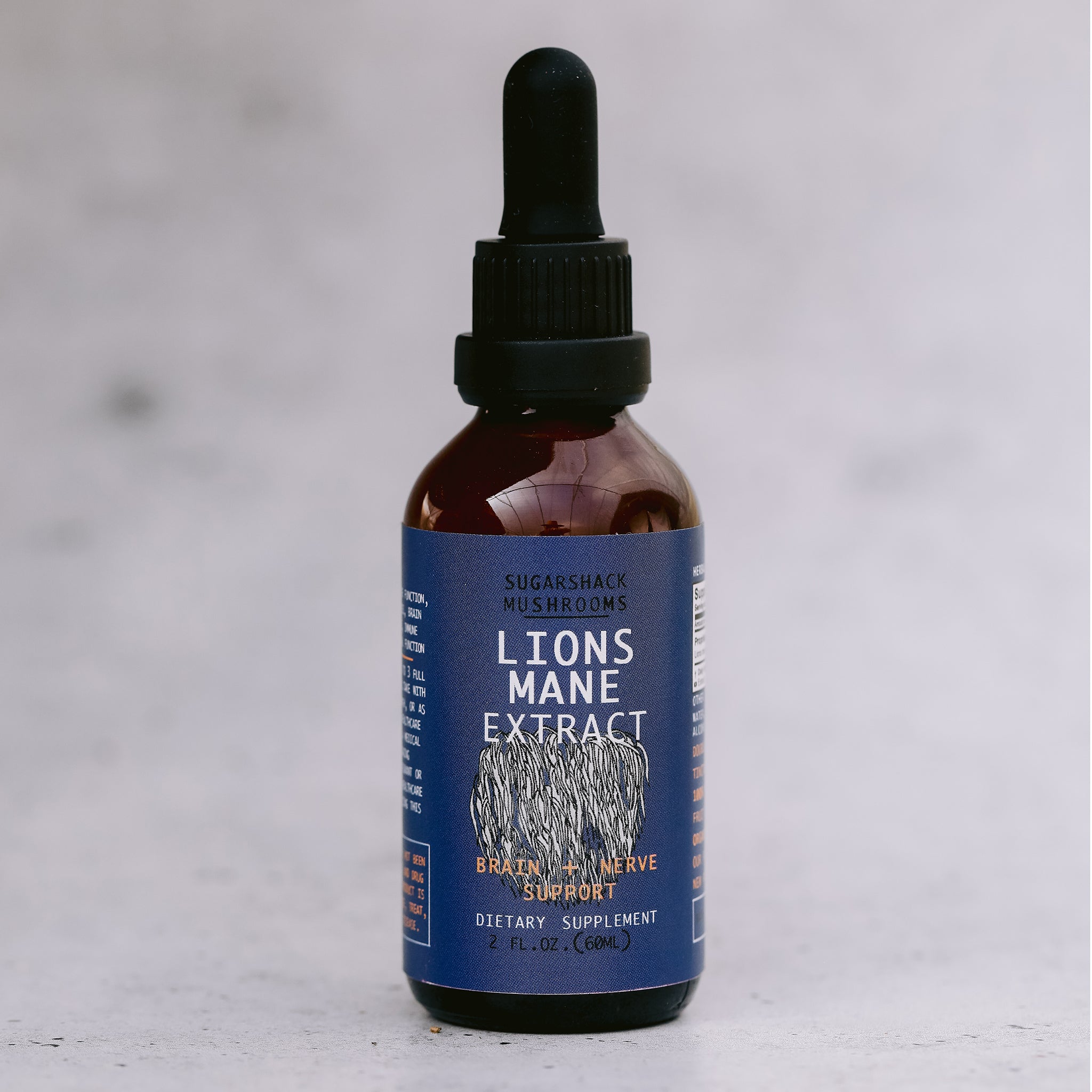
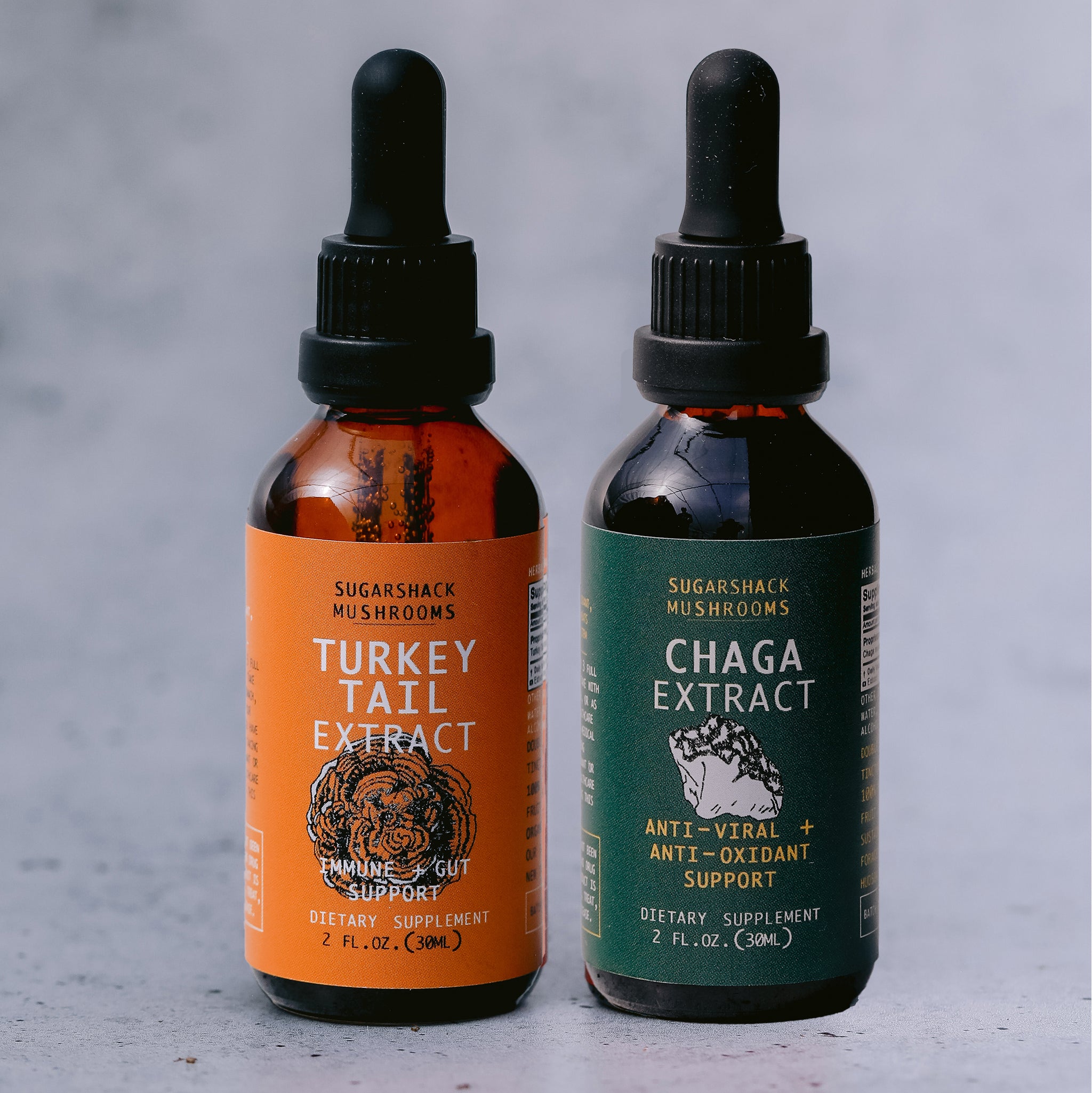
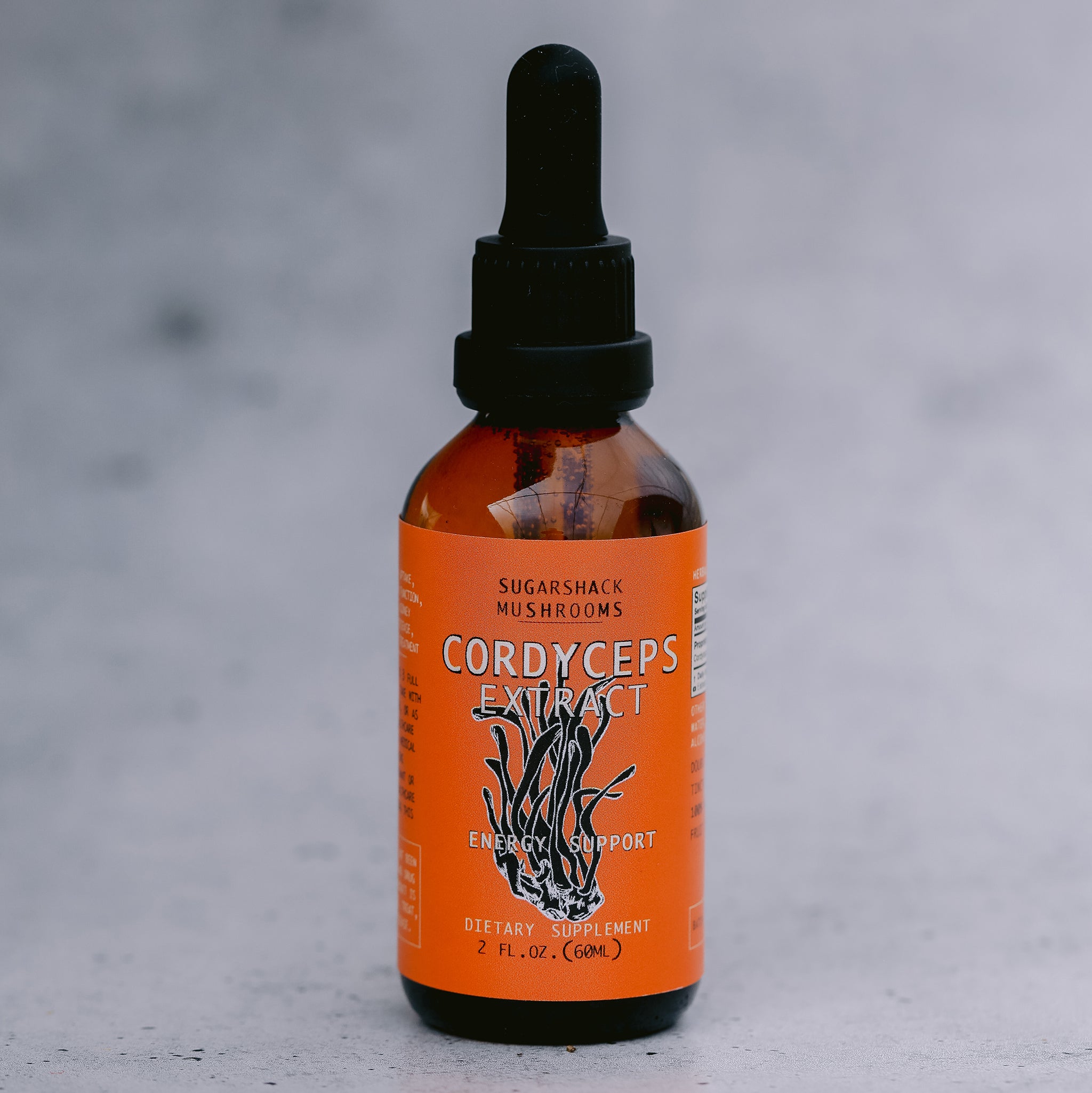
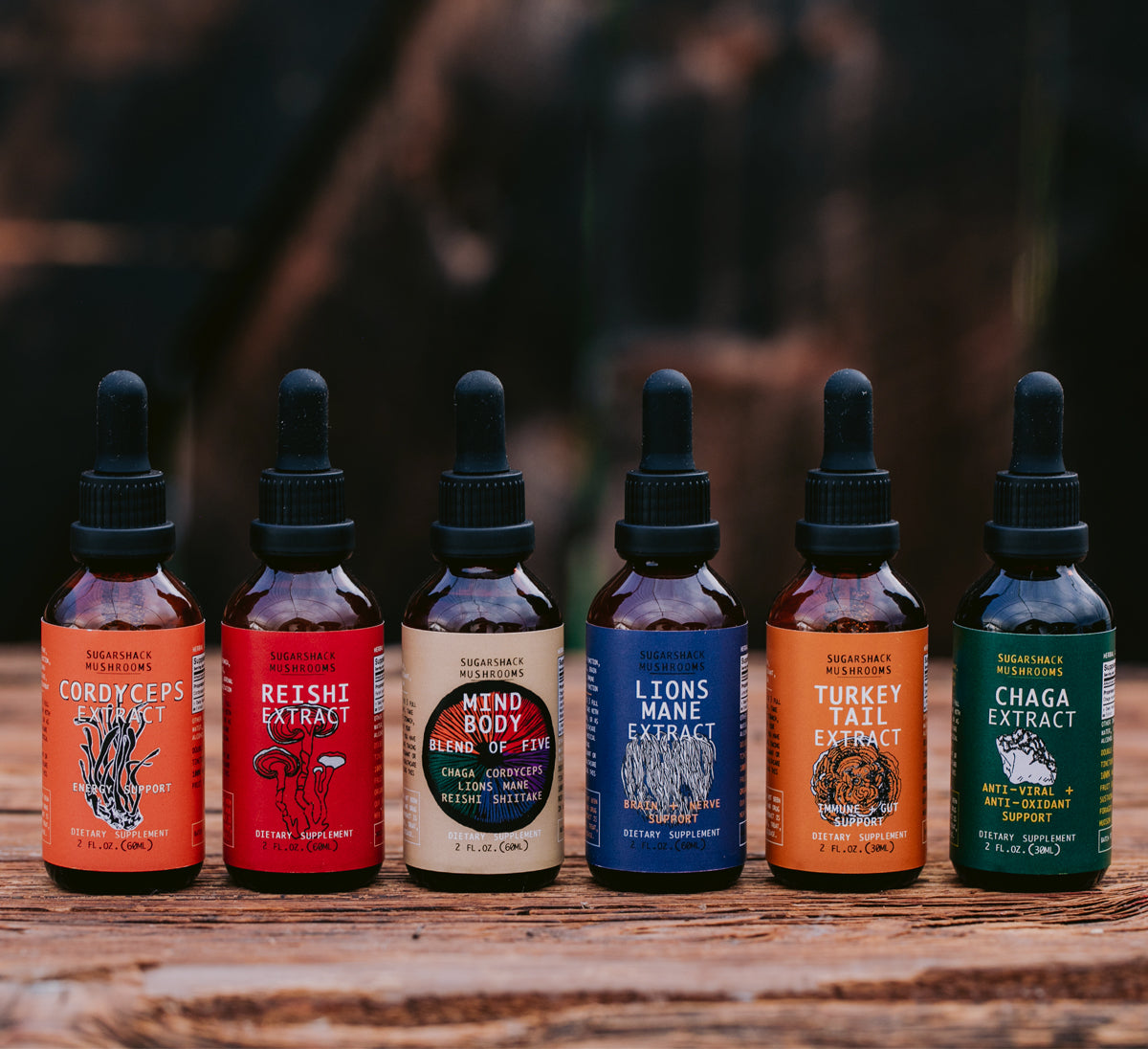
At Sugarshack Mushrooms, our tinctures are made using a traditional dual-extraction process. We begin by extracting 100% mushroom fruiting bodies in organic cane alcohol for months before pressing and straining them. The mushrooms then undergo a long hot water extraction before the two extracts are combined together into a finished tincture.
It is a slower process, but one that reflects how medicinal mushrooms have historically been prepared and how many modern herbalists still prefer to work with them today.
Fruiting Body vs. Mycelium
One of the biggest conversations in the functional mushroom industry right now centers around what part of the organism is actually being used.
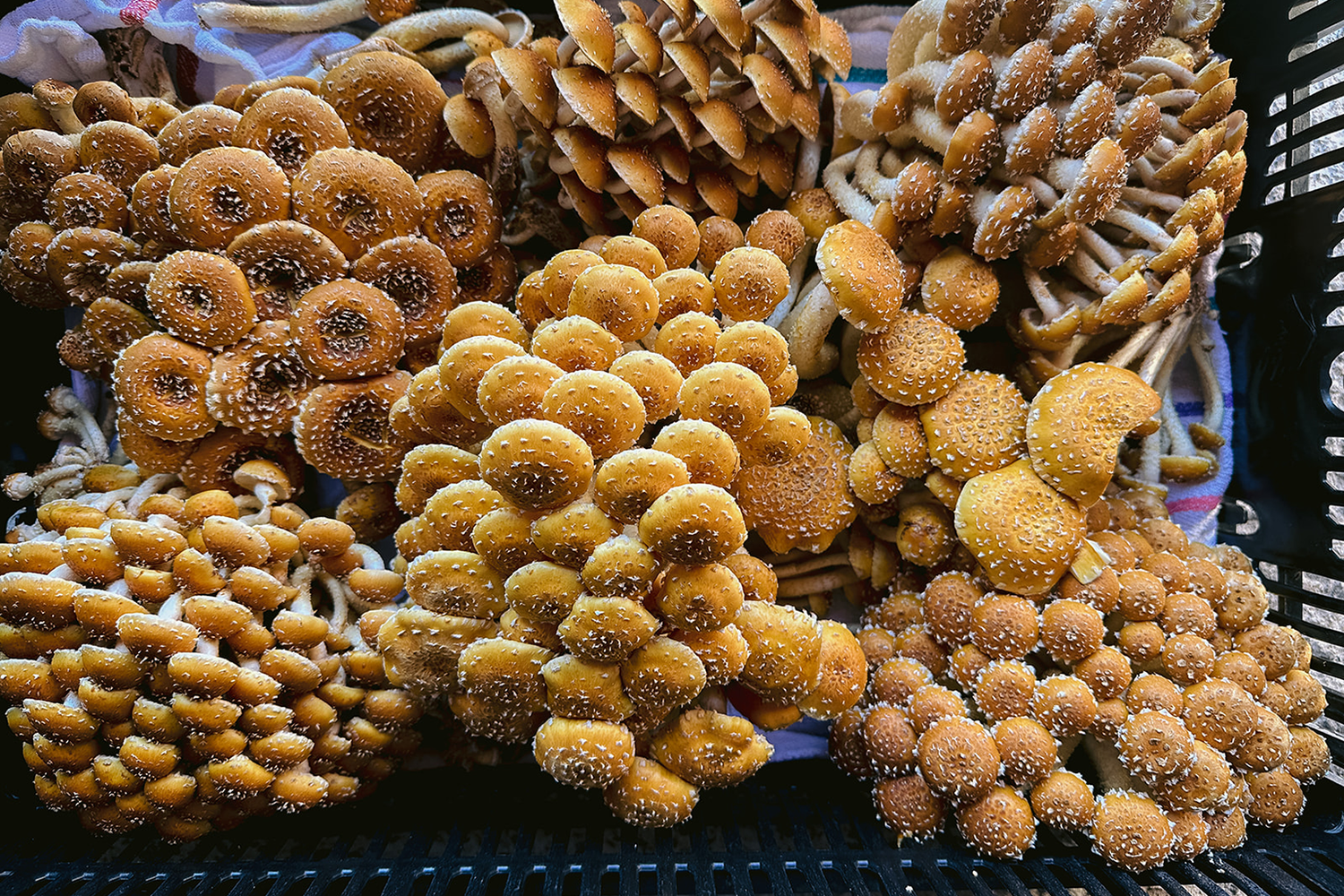
The fruiting body is the mushroom itself. Mycelium is the root-like fungal network that lives beneath the surface. Both are part of the same organism, but they are not identical materials.
Many large-scale supplement products are made using mycelium grown on grain. This approach is efficient and scalable, though the final material often contains a substantial amount of the grain substrate alongside the fungal tissue itself.
Fruiting body extracts, on the other hand, are made from the mature mushroom.
Independent testing across the industry has shown notable differences between the two. Fruiting body extracts often contain significantly higher beta-glucan levels, while mycelium-on-grain products can contain elevated starch content from the growing substrate.
This does not mean mycelium has no value. Certain compounds associated with lion’s mane mycelium, for example, continue to be actively researched. But much of the traditional use of medicinal mushrooms, along with a large portion of modern mushroom extract research, has focused on the fruiting body itself.
Because labeling standards are still inconsistent across the industry, many consumers do not realize there is a distinction at all.
That is beginning to change.
Local Growing in a Global Industry
Medicinal mushrooms are now part of a global supply chain. Large quantities are cultivated, extracted, processed, and distributed internationally every year.
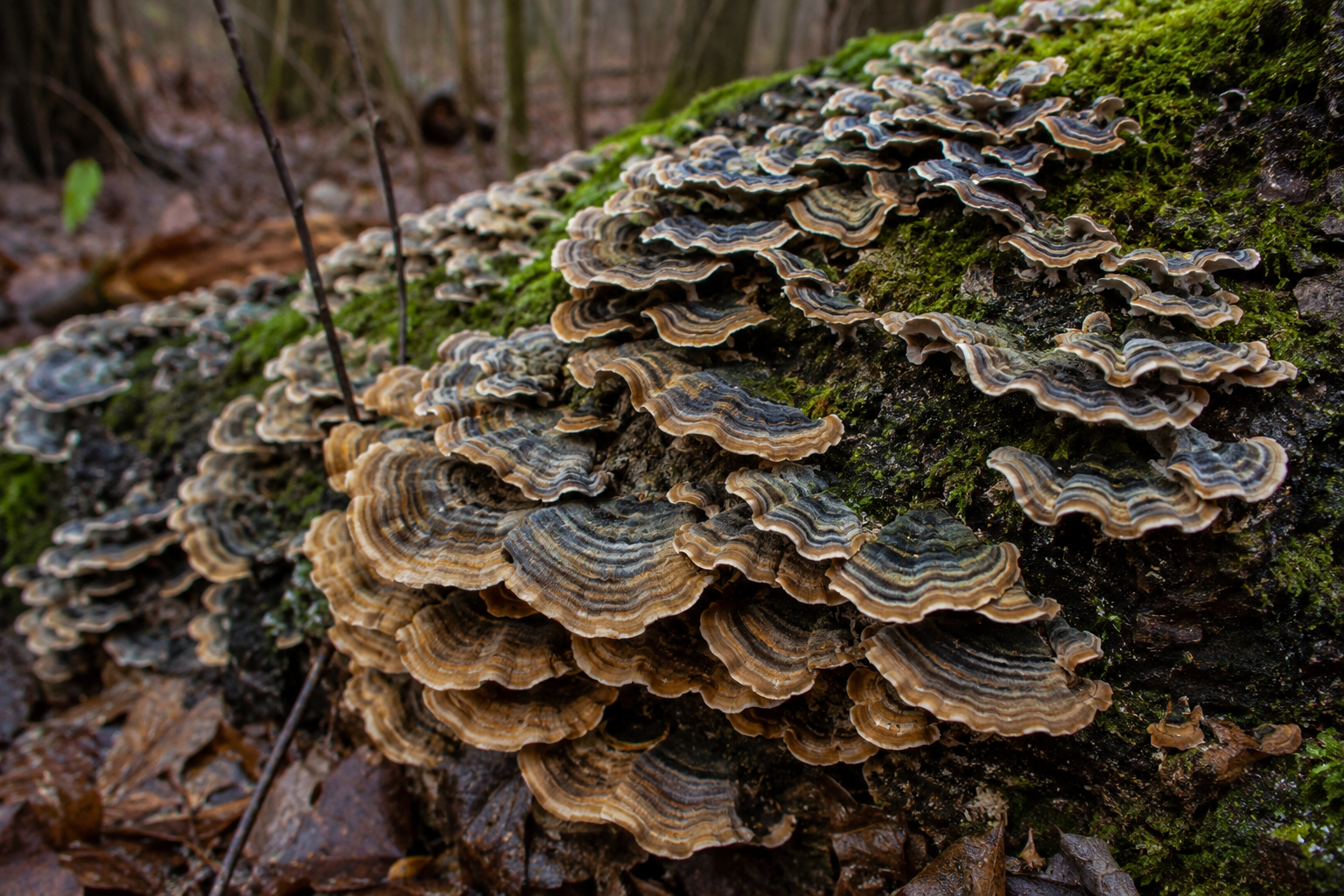
At the same time, a less visible movement has continued to grow alongside it: smaller farms producing mushrooms regionally, often with close attention to substrate quality, freshness, and cultivation methods.
In places like the Hudson Valley, mushrooms can be grown in a way that feels connected to the surrounding landscape. Wood, grain by-products, water, humidity, compost, and seasonal cycles all become part of the process. The work is slower and more hands-on, but it allows for a level of direct oversight that is difficult to replicate at industrial scale.
For us, that matters.
Sugarshack Mushrooms began with a simple interest in growing nutrient-dense mushrooms carefully and locally. Over time, that expanded into tinctures, grow kits, education, and a deeper appreciation for the role mushrooms can play in both food and herbal traditions.
Our farm remains small by industry standards. We grow and process our mushrooms in the Hudson Valley, produce our tinctures in-house, and focus on using 100% fruiting body mushrooms without fillers, starches, or myceliated grain products.
As the functional mushroom market continues to grow, there will likely be more products than ever before. More formats, more branding, more convenience.
At the same time, many people are beginning to look more closely at how these products are made and where they come from. That shift toward transparency, sourcing, and process feels important. Not just for mushrooms, but for food and medicine more broadly.
Mushrooms have always transformed what surrounds them. Wood becomes nourishment. Decomposition becomes soil. Networks underground support entire ecosystems above them.
In some ways, the future of medicinal mushrooms may depend on preserving that same connection between process, place, and the people growing them.