

How to Cook Lion's Mane Mushrooms
Lion's Mane is one of the most exciting mushrooms to cook because it behaves so differently from the mushrooms most people are used to. Instead of a cap and stem, it grows in shaggy white clusters with soft spines that pull apart into thick, tender pieces. When cooked well, Lion's Mane can develop a golden crust on the outside while staying juicy and delicate inside. Its flavor is mild, slightly sweet, and often compared to crab or lobster, which makes it especially popular in simple pan sears, mushroom "crab cakes," tacos, pasta, and rich brothy dishes.
The biggest thing to know about Lion's Mane is that it holds a lot of moisture. This is part of what gives it such a tender texture, and it also means it needs a fair amount of patience in the pan. If you rush it, the mushroom can steam instead of brown. If you give it enough time, that water cooks off and the surface begins to crisp and caramelize.
Essential Cooking Techniques
Start with a dry pan
One of the best ways to cook Lion's Mane is to start it in a dry pan over medium heat. Slice the mushroom into thick slabs, tear it into chunks, or press it gently into pieces that look like scallops or crab meat. Place the pieces in the pan without oil at first. Let them cook for a few minutes so they release moisture. You may see water bead up or collect in the pan. Keep cooking until most of that liquid evaporates.
Once the mushroom has given off some moisture, add butter or oil. This is when the browning really begins. Let the pieces sit long enough to build a golden surface before turning them. Lion's Mane rewards a little restraint. Moving it around too much can keep it from forming that beautiful crust.
Do not overcrowd the pan
Crowding is one of the easiest ways to lose texture. Lion's Mane needs contact with the hot pan and enough space for steam to escape. If you have a large cluster, cook it in batches. A crowded pan traps moisture, which leaves the mushroom soft and watery. A roomy pan gives you a better chance at crisp edges and a juicy center.
Season simply at first
Lion's Mane has a gentle flavor, so it does not need much to taste good. Salt, pepper, butter, garlic, lemon, and fresh herbs are often enough. A little soy sauce, miso, smoked paprika, Old Bay-style seasoning, or white wine can also work beautifully, especially if you want to lean into the seafood-like character.
Add salt after the mushroom has started to cook down. Salting too early can pull out even more moisture before the surface has a chance to brown. Once the pieces are golden, season them and let the flavors soak in during the final minutes of cooking.
Do not wash it
Lion's Mane is delicate and absorbent. If it needs cleaning, brush away any debris or trim off any discolored spots. A very quick rinse is okay if needed, but should be followed by immediate careful drying with a towel. Soaking it in water is not a good idea for cooking because the mushroom already contains so much moisture.
Recipe Ideas
Basic pan-seared Lion's Mane
Slice Lion's Mane into ½-inch slabs or tear it into large pieces. Warm a skillet over medium heat and add the mushrooms dry. Cook for 4 to 6 minutes, turning once, until the moisture begins to release and evaporate. Add butter or olive oil, then cook for another 3 to 5 minutes per side until golden. Season with salt, pepper, garlic, and a squeeze of lemon. Serve as a side dish, over toast, with eggs, or alongside rice or potatoes.
Lion's Mane "crab cake" style patties
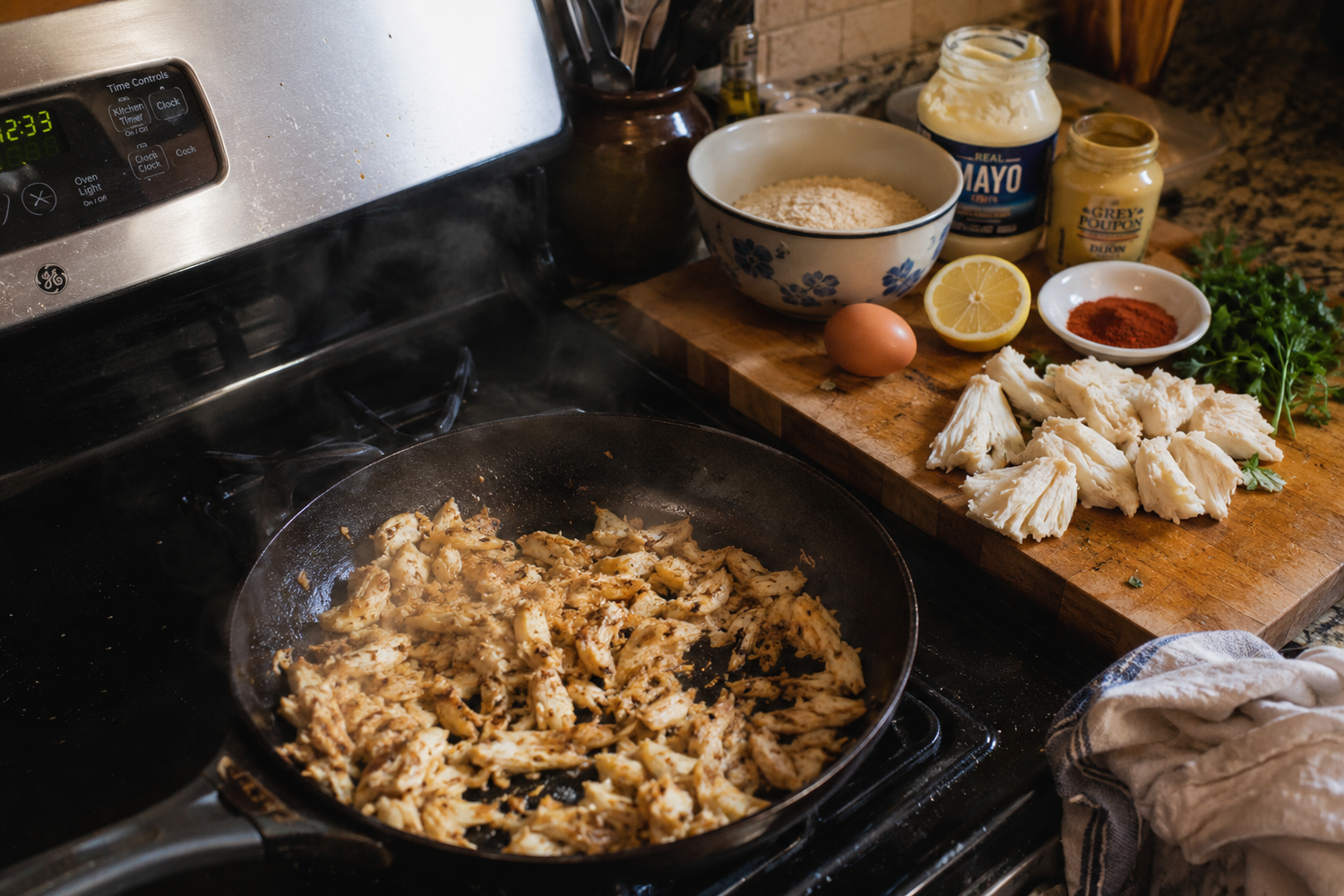
Tear Lion's Mane into small pieces and cook it first in a dry pan to remove excess moisture. Let it cool slightly. Mix it with breadcrumbs, egg, mayonnaise, Dijon mustard, lemon juice, parsley, and a seafood-style seasoning. Form into patties and pan-fry in a little oil until browned on both sides. The texture of Lion's Mane works especially well here because it pulls apart into tender strands and holds seasoning nicely.
Lion's Mane tacos
Tear the mushroom into bite-size pieces and dry-cook it first to release moisture. Add oil, salt, garlic, cumin, smoked paprika, and a little chili powder. Cook until the edges brown. Finish with lime juice. Serve in warm tortillas with cabbage, avocado, cilantro, and a creamy sauce. The mushroom stays tender while the browned edges give each bite more depth.
Lion's Mane pasta
Sear sliced Lion's Mane until golden, then remove it from the pan. Add butter, garlic, and a splash of white wine or broth. Stir in cream or a little pasta water, then return the mushrooms to the pan. Toss with pasta, parsley, black pepper, and parmesan if you like. This works especially well with wide noodles because the tender mushroom pieces feel substantial without needing a heavy sauce.
Common Mistakes to Avoid
Do not cook Lion's Mane on high heat from the start. The outside can brown too quickly while the inside stays wet. Medium heat gives the moisture time to cook off before the surface gets too dark.
Do not add too much oil right away. Oil can coat the mushroom before it releases moisture, which can make browning harder. Starting dry, then adding fat, gives better texture.
Do not expect Lion's Mane to behave like button mushrooms or shiitake. It has its own rhythm. Give it space, give it time, and let the moisture cook off before building flavor.
Lion's Mane does not need complicated preparation. When cooked well, it becomes golden, tender, and deeply satisfying, with a flavor that fits just as easily into a weeknight dinner as it does into something a little more special.
Master Lion's Mane by starting dry, giving it space and time to release moisture, and letting patience turn that high water content into a golden, tender crust that rivals seafood in flavor and texture.