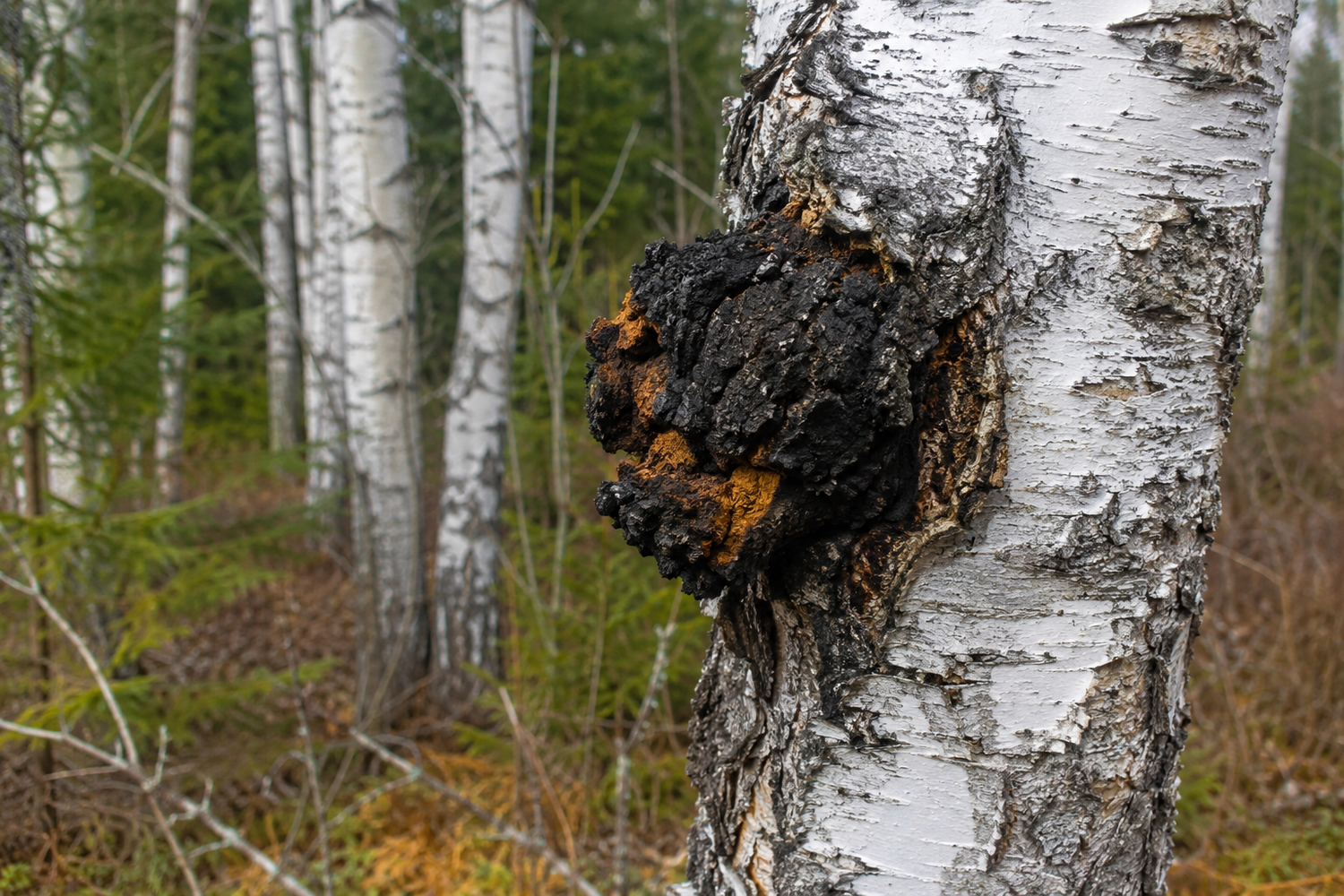
What Is Chaga?
Chaga is one of the most recognizable medicinal mushrooms in the world, and one of the most popular ingredients in medicinal mushroom tinctures. It does not look like what most people think of as a mushroom. It has no cap, stem, or soft gills. Instead, Chaga grows as a dark, cracked mass on birch trees in cold northern forests, often looking more like a piece of burnt wood than something alive. Inside that rough black exterior is a dense orange-brown interior that has been used for generations in teas, decoctions, and traditional preparations.
Scientifically, Chaga is known as Inonotus obliquus. It is often called a mushroom, although the part people use is technically not the mushroom’s fruiting body. It is a hardened mass of fungal material that forms on birch and some other hardwood trees. This matters because Chaga is different from cultivated mushrooms like Lion’s Mane, Reishi, or Shiitake. Those mushrooms produce visible fruiting bodies that can be grown, harvested, cooked, dried, and extracted. Chaga is more closely tied to the tree it grows on and to the cold forest environments where it naturally develops over many years.
Chaga’s Traditional Use
Chaga’s relationship with birch trees is part of what makes it distinct. It has a long history of use in Russia, northern Europe, parts of Asia, and northern North America, where people traditionally simmered it into a dark tea. The flavor is earthy, slightly bitter, and sometimes almost vanilla-like or coffee-like, depending on how it is prepared. For many people, Chaga became a daily tonic because it was warming, mineral-rich in taste, and easy to prepare with long simmering.
Chaga Benefits and Active Compounds
Today, Chaga is best known as a functional mushroom associated with antioxidant activity, immune support, and overall wellness. Much of this interest comes from the compounds found in Chaga, including polysaccharides, beta-glucans, polyphenols, melanins, sterols, and triterpenes. These are natural compounds found in fungi and plants that researchers study for how they interact with the body.
One of the main groups of compounds in Chaga is polysaccharides. Polysaccharides are complex carbohydrates, and beta-glucans are one important type found in many medicinal mushrooms. In mushrooms, beta-glucans are studied for their role in immune modulation, which means they may help support the way the immune system communicates and responds. A healthy immune system needs balance, timing, and clear communication.
Chaga, Antioxidants, and Research
Chaga also contains a dark pigment called melanin, which helps give the outside of the conk its black, charcoal-like color. Melanin is one of the reasons Chaga is often discussed in relation to antioxidant activity. Antioxidants help protect cells from oxidative stress, which is part of normal metabolism and also influenced by diet, stress, pollution, illness, and aging. Research on Chaga has looked at antioxidant, anti-inflammatory, immune-related, and metabolic effects, with many of the strongest studies still being laboratory or animal studies rather than large human clinical trials.
That distinction is important. Chaga has an impressive traditional reputation and a growing body of scientific research, but it should be talked about honestly. It is not a cure for disease. It should not be presented as a replacement for medical treatment. The most responsible way to understand Chaga is as a traditional functional mushroom with compounds that are being actively studied, especially for antioxidant and immune-supportive properties.

Why Chaga Works Well as a Medicinal Mushroom Tincture
Chaga is a good example of why preparation matters. The beneficial compounds in medicinal mushrooms are held inside tough fungal cell walls that include chitin, a durable fibrous material that our bodies do not easily break down on their own. Simply eating dried Chaga pieces or swallowing unextracted powder may not make the full range of compounds available. Traditional Chaga tea addressed this through long simmering in hot water. A medicinal mushroom tincture builds on that same practical preparation method by using extraction to make Chaga easier to take consistently.
Why Dual Extraction Matters
Hot water extraction is especially important for polysaccharides and beta-glucans. Alcohol extraction can help draw out less water-soluble compounds, including some triterpenes and sterols. This is why dual extraction has become such an important part of high-quality medicinal mushroom tinctures. It is a preparation method designed to capture a broader range of compounds than water or alcohol alone.
Chaga Tincture vs. Tea, Powder, and Capsules
Many people first encounter Chaga as a tea, powder, capsule, or tincture. Each form has its place, but a well-made medicinal mushroom tincture is especially convenient because it is already extracted, easy to dose, and simple to use every day. Powders still need to be prepared properly, usually with heat, to make many of the mushroom’s water-soluble compounds more available. Capsules can be convenient, but the quality depends heavily on whether the mushroom was extracted before it was encapsulated.
Why Sourcing Matters
With Chaga, quality and sourcing matter a lot. Many functional mushroom products on the market are made at large scale, imported from far away, or blended into powders and capsules with little information about where the mushroom came from or how it was processed. Chaga deserves more care than that. Because it grows slowly and is harvested from living trees, it should be sourced thoughtfully, with attention to both forest health and product quality.
For people looking for a New York Chaga tincture or a Hudson Valley medicinal mushroom tincture, sourcing matters. Our Chaga is locally sourced in New York State, then extracted by hand in small batches. We do not use grain-based mycelium, starch, or filler material. The result is a dual-extracted Chaga tincture made with care, built for daily use, and connected to the region we call home.
How Sugarshack Makes Chaga Tincture
At Sugarshack Mushrooms, we do not grow Chaga on our farm the way we grow Lion’s Mane, Oyster, Shiitake, or other cultivated mushrooms. Chaga is a wild forest fungus, and that difference is part of its identity. What we can control is how carefully we source it, how we process it, and how we extract it. Our goal is to make a Chaga tincture that reflects high sourcing standards, proper extraction, and practical daily use.
Our Chaga tincture is made by hand in small batches using a dual-extraction process. We use real Chaga, never grain-based mycelium or filler material. The process begins with an alcohol extraction, followed by a long hot water extraction, then the two are blended into a finished tincture. This approach helps capture a broader spectrum of Chaga’s water-soluble and alcohol-soluble compounds in a form that is easy to take consistently.

How to Take Chaga Tincture
Consistency is one of the most important parts of working with medicinal mushrooms. Chaga has traditionally been taken as a daily tea, and tinctures make that same idea simple for modern life. A small daily serving can be added to water, tea, coffee, or taken directly. The point is regular use over time, as part of a larger approach to daily wellness.
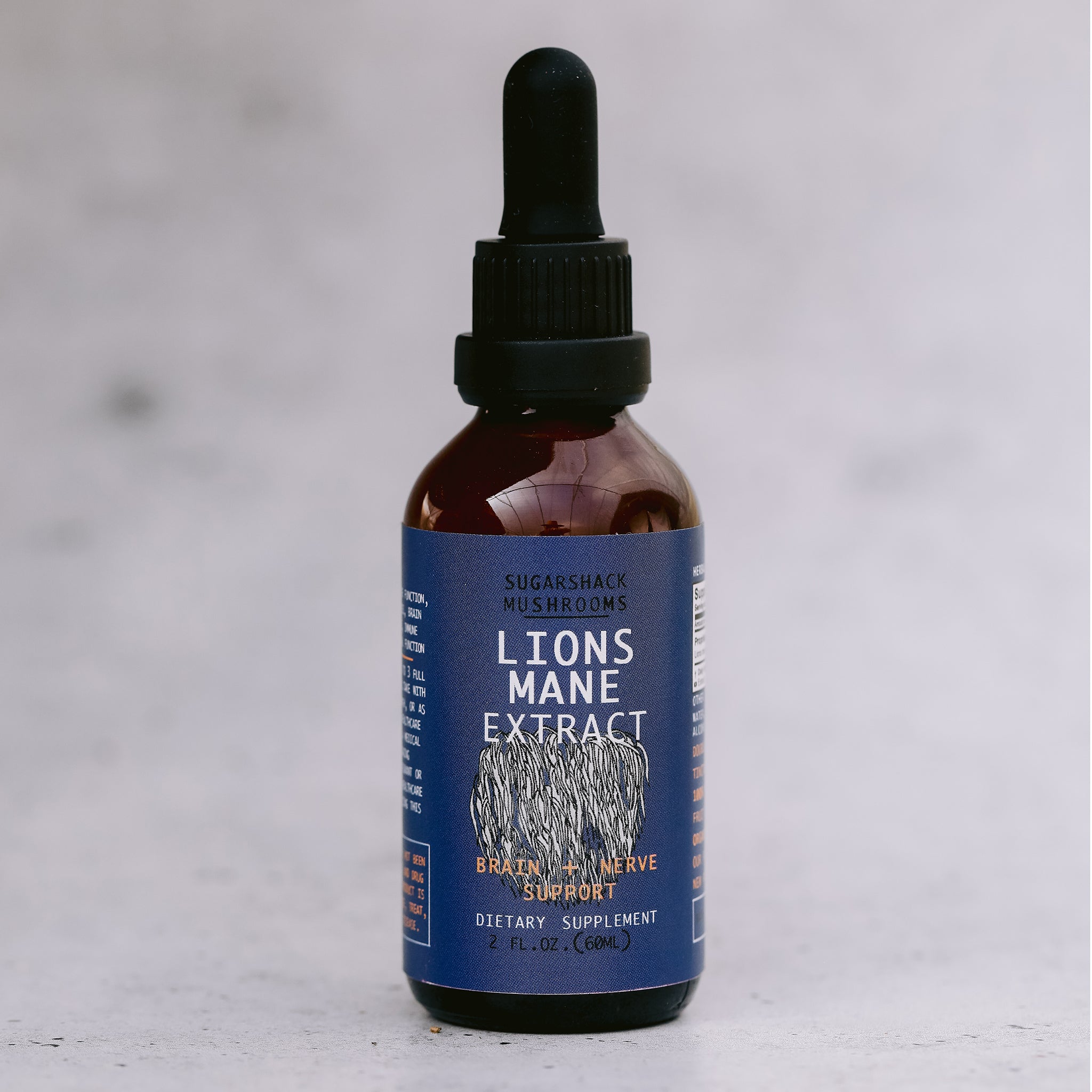
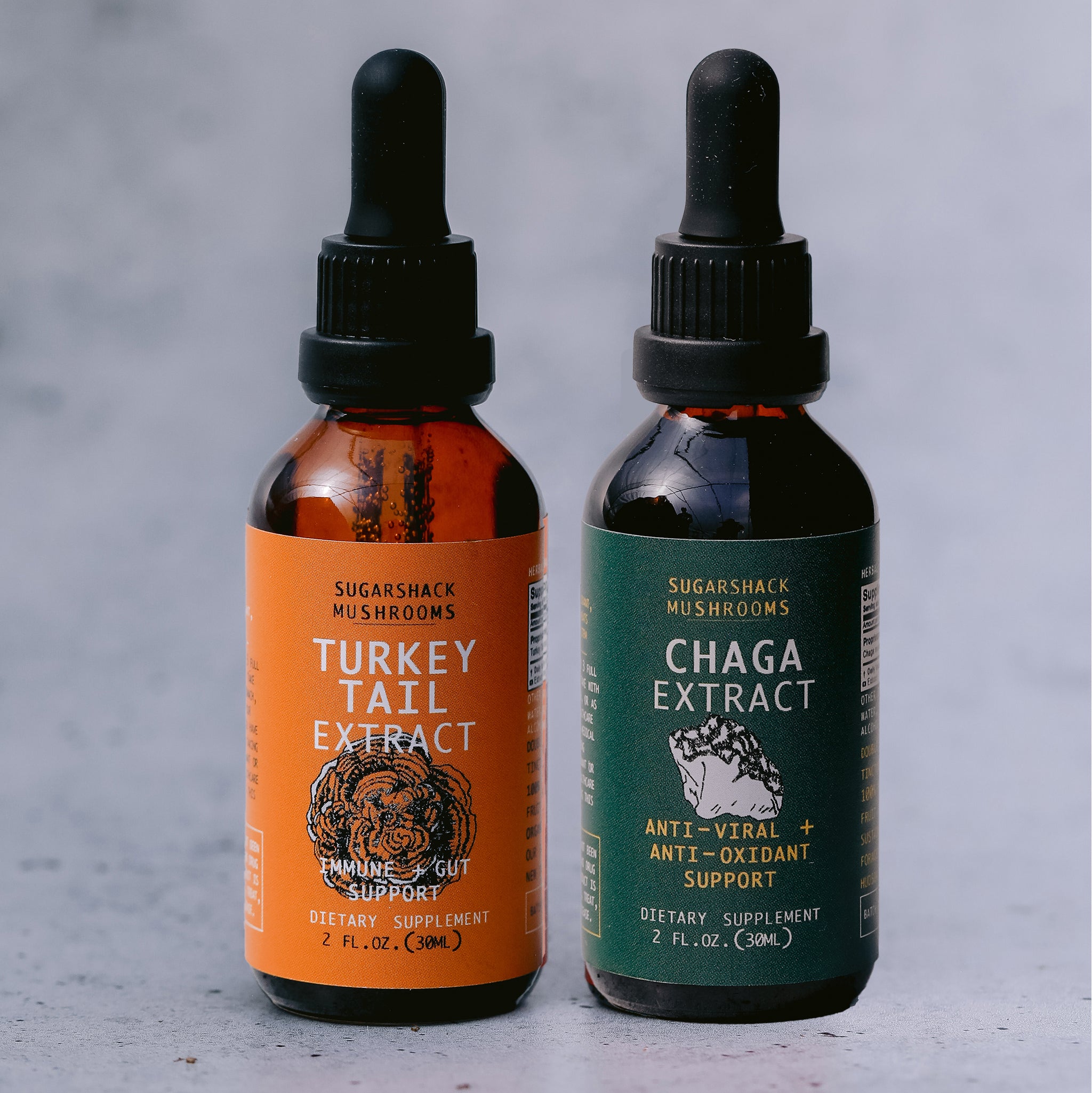
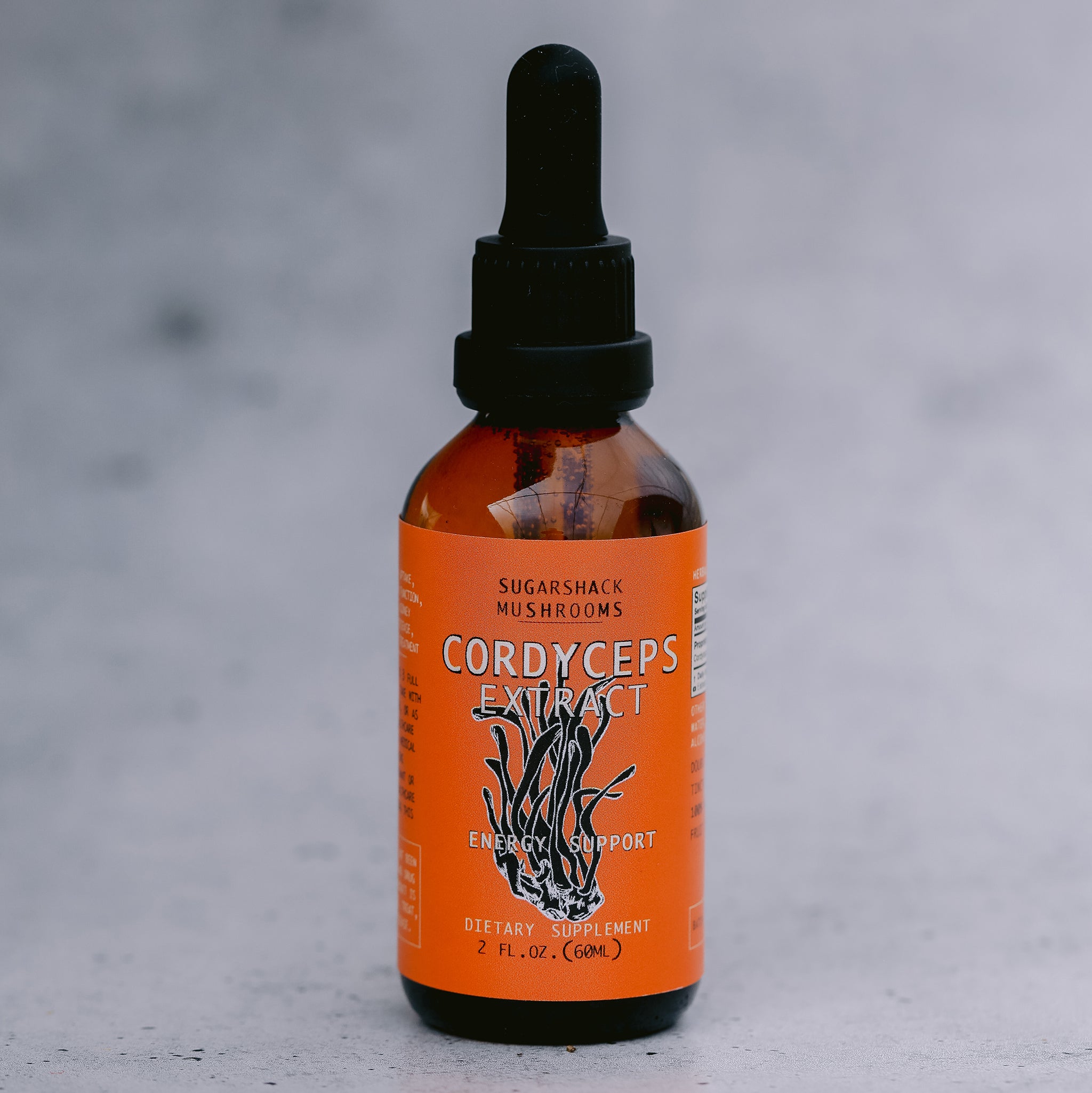
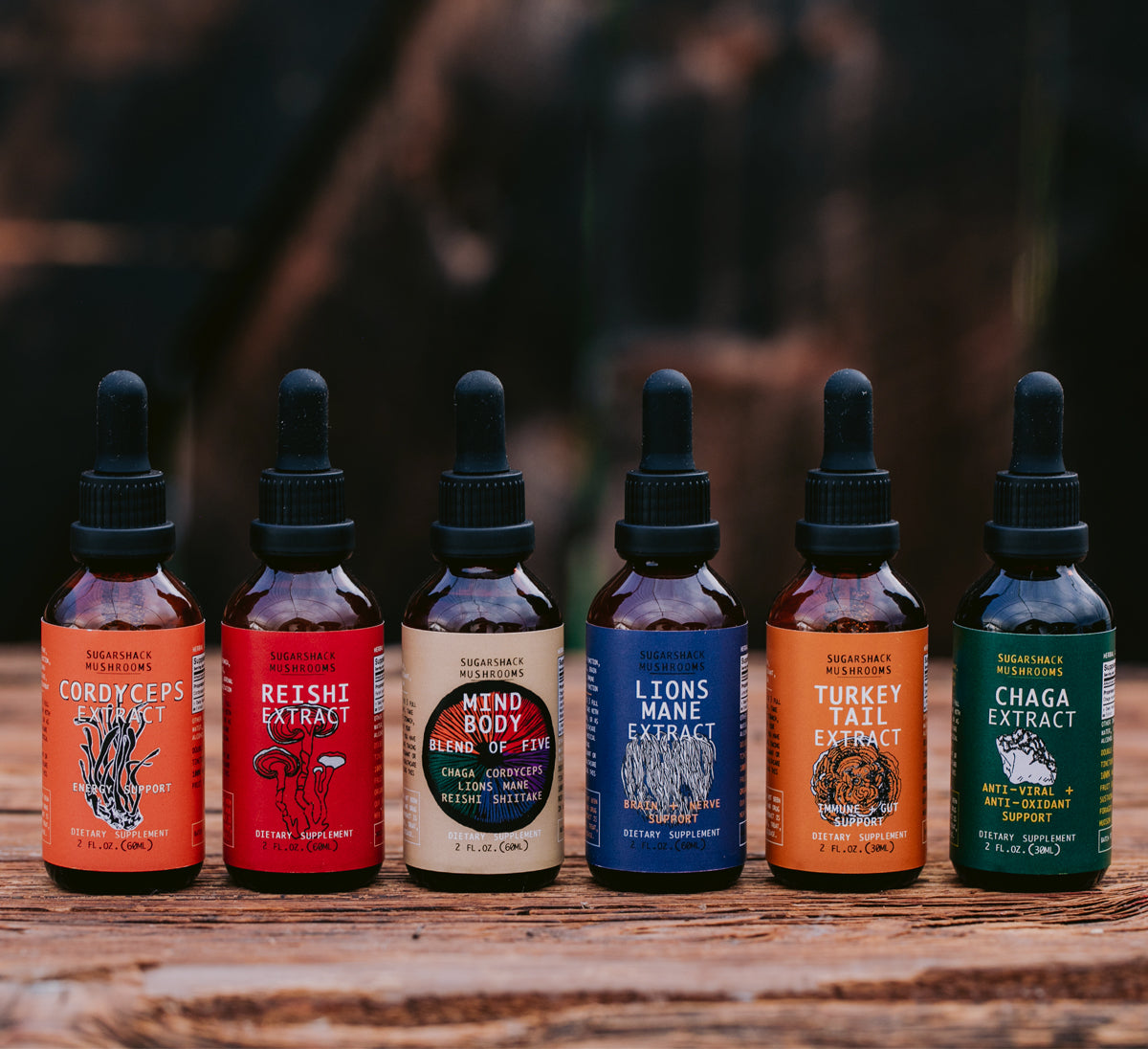
You can explore our full line of medicinal mushroom tinctures, including Chaga, Reishi, Lion’s Mane, Turkey Tail, and Cordyceps. Each one has its own traditional use, preparation considerations, and unique profile of compounds, and each one begins with careful sourcing, proper preparation, and attention to quality.
Chaga Safety and Considerations
There are also some important cautions with Chaga. Chaga can be high in oxalates, naturally occurring compounds that may be a concern for people with kidney disease, a history of kidney stones, or certain oxalate-related health issues. People taking blood thinners, people with autoimmune conditions, people on immune-suppressing medications, and anyone pregnant, nursing, or managing a serious medical condition should talk with a qualified healthcare provider before using Chaga regularly. Medicinal mushrooms can be powerful, and part of respecting them is knowing when to be careful.
Final Thoughts on Chaga
Chaga’s appeal comes from the meeting point of traditional use and modern research. It has been prepared as a long-simmered tea for generations, while current research continues to examine its fungal compounds, extraction methods, and potential role in daily wellness. It is dense, dark, slow-growing, and highly specific to the environment where it forms. That is part of what makes it such a distinctive medicinal mushroom.
For us, Chaga fits into a larger vision of what mushrooms can offer. They can feed, teach, and support people while also reminding us that health is connected to place, process, and relationship. Whether we are growing mushrooms on our farm in the Hudson Valley or sourcing Chaga from the forests of New York State, we are focused on careful preparation, honest education, and high-quality mushroom products. Chaga is one more expression of that work, a concentrated forest-grown mushroom made practical through proper extraction.
Chaga FAQ
What is Chaga?
Chaga is a medicinal mushroom, scientifically known as Inonotus obliquus, that grows mainly on birch trees in cold northern forests. The part used for tea, powder, and Chaga tincture is a dense, dark conk-like mass that forms on the tree over time.
What is Chaga tincture used for?
Chaga tincture is commonly used as a daily functional mushroom supplement for antioxidant support, immune support, and general wellness. Research on Chaga is still developing, and many of the strongest studies are laboratory or animal studies rather than large human clinical trials.
Is Chaga a medicinal mushroom?
Yes. Chaga is widely considered a medicinal mushroom because it has a long history of traditional use and contains compounds that researchers study for potential health-supportive activity. These include polysaccharides, beta-glucans, polyphenols, melanins, sterols, and triterpenes.
What makes a Chaga tincture different from Chaga tea?
Chaga tea is usually made by simmering Chaga in hot water. A Chaga tincture is a concentrated liquid extract that is easier to take daily and can include both water-extracted and alcohol-extracted compounds when it is dual extracted. A tincture is also more convenient because it does not require simmering each time you use it.
What is a dual-extracted Chaga tincture?
A dual-extracted Chaga tincture is made using both alcohol and hot water extraction. Hot water helps extract polysaccharides and beta-glucans, while alcohol helps extract some less water-soluble compounds. This process is used to create a broader-spectrum medicinal mushroom tincture.
Is Chaga tincture better than Chaga powder?
It depends on the product and how it is made. A high-quality Chaga tincture is already extracted, which makes it convenient and easy to use. Chaga powder may still need to be simmered or extracted properly to make many of its compounds more available. The most important factor is quality, sourcing, and preparation.
How do you take Chaga tincture?
Chaga tincture can be taken directly or added to water, tea, coffee, or another drink. Many people use it daily as part of a consistent wellness routine. Always follow the serving size on the product label.
Does Chaga contain beta-glucans?
Yes. Chaga contains polysaccharides, including beta-glucans. Beta-glucans are compounds found in many medicinal mushrooms and are studied for their role in immune system communication and immune modulation.
Is Chaga good for immune support?
Chaga is commonly used for immune support, and researchers are studying its polysaccharides, beta-glucans, and other compounds for immune-related effects. It is best understood as a functional mushroom that may support general wellness, not as a treatment or cure for disease.
Is Chaga high in antioxidants?
Chaga is often discussed for its antioxidant activity. This is partly because it contains compounds such as polyphenols and melanin, which are studied for their relationship to oxidative stress. Antioxidants help the body manage normal oxidative processes that happen through metabolism, aging, and environmental stress.
Is Chaga safe for everyone?
Chaga is not ideal for everyone. It can be high in oxalates, which may be a concern for people with kidney disease, a history of kidney stones, or oxalate-related health issues. People taking blood thinners, immune-suppressing medications, or managing serious medical conditions should speak with a healthcare provider before using Chaga regularly.
Where does Sugarshack Mushrooms source its Chaga?
Sugarshack Mushrooms sources Chaga locally in New York State. We then process and extract it in small batches to make a dual-extracted Chaga tincture with no grain-based mycelium, starch, or filler material.
What should I look for in a Chaga medicinal mushroom tincture?
Look for clear sourcing, proper extraction, and simple ingredients. A good Chaga medicinal mushroom tincture should be made from real Chaga, ideally dual extracted, and free from grain-based mycelium or unnecessary fillers. Small-batch processing is also a strong sign that the producer is paying attention to quality.